If you’re a Kia owner who’s ever wondered whether to replace brake discs and pads separately or together, you’re not alone. As a Kia Series brake discs supplier who’s worked with technicians and DIYers across North America for over a decade, I’ve lost count of how many times I’ve heard people skip replacing rotors only to end up back at the shop a few thousand miles later with uneven wear, pulsating brakes, or even safety hazards. The truth is, for most Kia models—whether it’s a compact Rio, a family-friendly Sorento, or a sporty Stinger—replacing brake discs and pads together isn’t just a recommendation; it’s the smart, cost-effective choice that keeps your vehicle stopping reliably. Let’s break down exactly how to do it right, with the insider knowledge only a Kia brake parts specialist can share. KIA Series Brake Discs
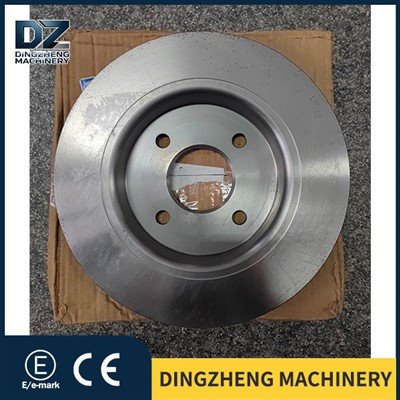
First, let’s address why this two-part replacement matters so much for Kia vehicles. Kia engineers design their brake systems to work in sync: the factory brake discs are precision-machined to match the friction characteristics of the original brake pads, and vice versa. Over time, even if you only replace your pads, the old rotors develop tiny grooves, warped surfaces, or uneven thickness from years of use. When new pads clamp down on these worn rotors, they can’t make full, uniform contact—leading to uneven pad wear, reduced stopping power, and that annoying brake pedal vibration you feel at highway speeds. For Kia models, which often have tight brake caliper clearances and specific heat dissipation requirements, this mismatch can accelerate wear on both parts far faster than if you replaced them together. I’ve seen customers try to save $50 on separate pad replacement only to spend $300 on a premature rotor replacement six months later—so doing both the first time saves you money in the long run.
Now, let’s walk through the step-by-step process, tailored specifically for Kia Series brakes, with tips that come from years of supplying parts and troubleshooting installs. First, gather the right tools: a lug wrench, jack and jack stands (never use a hydraulic lift alone—safety first), a C-clamp (or a large pair of pliers), a flathead screwdriver, a metric socket set (most Kia models use 14mm or 17mm lug nuts and 12mm caliper bolts), brake cleaner, high-temperature brake grease, and of course, your new Kia brake discs and pads. It’s critical to use parts made for your exact Kia model—for example, a disc for a 2021 Kia Forte won’t fit a 2020 Sportage, and off-brand pads can damage your factory rotors. As a supplier, we always emphasize genuine OE-grade or high-quality aftermarket Kia-specific parts for this very reason.
Start by safely lifting your Kia: park on a flat, level surface, engage the parking brake, and loosen the lug nuts on the front or rear wheels (whichever set you’re working on) before jacking up the vehicle. Place jack stands under the frame rails (refer to your Kia’s owner manual for jack points—this is a common mistake that leads to unsafe installs), then lower the vehicle onto the stands so it’s stable. Remove the lug nuts and pull off the wheel. Next, locate the brake caliper: it’s the metal assembly sitting on top of the rotor, connected by two bolts on the back side. Use your metric socket to remove these caliper bolts—note that on some Kia models, like the Soul, these bolts are threaded, so you may need to gently tap the socket with a mallet if they’re stuck. Once the bolts are out, slide the caliper off the rotor and hang it from the suspension spring or a piece of wire—never let it dangle by the brake line, as that can damage the line and cause leaks.
With the caliper out of the way, you can access the old brake pads. Slide the pads out of the caliper bracket—you may need to gently pry them with a flathead screwdriver if they’re stuck. Now, inspect the old rotor: run your finger along the surface to feel for deep grooves, pitting, or warpage (spin the rotor and look for wobble if you’re unsure). If you’re replacing it, remove the two bolts holding the rotor to the wheel hub—on most Kias, these are small set screws or just press-fit, so you may need to tap the back of the rotor with a rubber mallet to loosen it. Once the old rotor is off, clean the wheel hub with brake cleaner to remove rust or debris; a buildup of rust here can cause the new rotor to seat unevenly, leading to vibration.
Now, prep for the new parts—this is where DIYers often cut corners, leading to premature failure. First, before installing the new brake pads, you need to push the caliper piston back into its bore, because the new thicker pads will take up more space. Take your C-clamp, place it on the back of the caliper and the old inner brake pad (to protect the piston), and slowly tighten the clamp until the piston is fully pushed in. For some Kia rear calipers (especially on models with electronic parking brakes, like the Telluride), you’ll need to twist the piston clockwise instead of pushing it—check your Kia’s service manual for specific steps here, because forcing the piston can damage the parking brake mechanism. Next, apply a thin layer of high-temperature brake grease to the back of the brake pads, where they touch the caliper and bracket—this reduces noise (squealing brakes) and ensures the pads slide smoothly. Avoid getting grease on the friction surface of the pads or the rotor, as this will ruin braking performance.
Now, install the new brake pads: slide them into the caliper bracket, making sure they line up with the slots on the bracket. Some Kia pad sets come with new hardware (like spring clips or shims)—be sure to install these, as old hardware can cause uneven pad wear. Next, install the new Kia brake disc: line it up with the wheel hub, making sure the lug nut holes align, and press it into place. Tighten the rotor set screws to the torque specified in your Kia’s manual (usually around 15-20 ft-lbs) to keep it secure. Now, put the caliper back over the rotor, align the holes for the caliper bolts, and tighten them to the correct torque (typically 25-35 ft-lbs for Kia front calipers, 18-25 ft-lbs for rear). Double-check that the pads move freely around the rotor—spin the rotor by hand to make sure it doesn’t rub.
Finally, put the wheel back on, tighten the lug nuts in a star pattern (this ensures even torque, preventing warped wheels) to the Kia’s specified lug nut torque (usually 80-100 ft-lbs). Lower the vehicle to the ground, remove the jack stands, and tighten the lug nuts one more time to make sure they’re secure. Once you’re done, it’s critical to bed your new brake discs and pads properly—this process transfers a thin, smooth layer of friction material from the pads to the rotor, which maximizes stopping power and reduces noise. To bed your Kia’s brakes: drive at 30 mph, gently apply the brakes to slow down to 10 mph, then release the brake. Repeat this 10 times, making sure you don’t stop completely or use hard brakes, as this can glaze the pads. After that, drive normally for the first 200 miles, avoiding hard stops, to let the parts settle.
Now, let’s talk about common mistakes I see even experienced DIYers make when replacing Kia brake discs and pads together. First, using the wrong parts: as a Kia brake discs supplier, I’ve had customers come back with pads that don’t fit the caliper bracket or rotors that are too thin for their model, leading to unsafe installs. Always confirm your Kia’s exact year, make, and model when ordering parts—for example, a 2022 Kia Sportage has a different brake size than a 2023 Sportage, even if they look similar. Second, skipping the caliper piston prep: if you don’t push the piston back far enough, the new pads won’t fit, and you can damage the caliper. Third, not cleaning the wheel hub: rust buildup between the hub and rotor causes the rotor to seat unevenly, leading to brake pulsation. Fourth, ignoring the bedding process: glazing the new pads is a common issue that leads to squealing and reduced stopping power, so take the 10 minutes to bed your brakes properly.
When is it even more important to replace Kia brake discs and pads together? If you notice any of these signs: your brake pedal vibrates when you stop, you hear grinding or squealing brakes, the rotors have deep grooves or warping, or your stopping distance has increased. For Kia models that are used for towing, off-roading, or heavy commuting, this replacement is even more frequent, because the brakes take more stress. I always recommend replacing front and rear at the same time if you drive a lot, to maintain balanced stopping power—uneven brake work can cause your Kia to pull to one side when stopping, which is a safety risk.
If you’re not comfortable doing this yourself, that’s fine—find a trusted mechanic who has experience working on Kia vehicles, and ask them to use genuine or OE-grade Kia brake parts. As a supplier, we work with mechanics across the country, and many prefer to use our parts because they’re designed to match Kia’s exact specifications, reducing the chance of comebacks. Whether you’re a DIYer tackling this in your garage or a vehicle owner working with a pro, replacing your Kia brake discs and pads together is one of the most impactful maintenance tasks you can do for your vehicle’s safety and longevity.
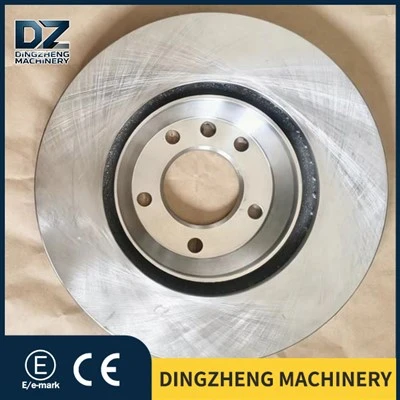
If you’re ready to order high-quality Kia Series brake discs and pads for your next replacement, or you’re a shop owner looking to stock reliable parts, get in touch with our team to discuss your specific needs. We offer parts for all Kia models, with exact fit guarantees and competitive pricing, to make your brake replacement easy and reliable. Don’t risk cutting corners on brake parts—reach out today to find the right parts for your Kia.
KIA Series Brake Discs References
- Kia Motors America. (2020). Brake System Maintenance: Owner’s Manual Supplement.
- Brake Parts Industry Association. (2022). Best Practices for Brake Disc and Pad Replacement.
- Automotive Service Association. (2021). Recommended Maintenance for Asian Vehicle Brake Systems.
Laizhou Dingzheng Machinery Co., Ltd.
As one of the most professional kia series brake discs manufacturers and suppliers in China, we’re featured by quality products and good price. Please rest assured to buy cheap kia series brake discs for sale here from our factory. We also accept customized orders.
Address: Luan Jia village, Tushan town, Laizhou city, Shangdong
E-mail: AMY@cndingzheng.com
WebSite: https://www.dingzhengbrake.com/
