If you’re a vehicle owner who’s ever dealt with a cracked center console cup holder, a peeling plastic trim piece, or a loose gear shift surround, you’ve probably wondered: are these plastic parts covered under my car’s warranty? As a supplier of center console plastic parts, I get this question all the time—both from customers who’ve had to pay out of pocket for a fix and from dealership service teams trying to explain warranty fine print. Let’s break this down clearly, no confusing jargon, and share what we’ve learned from years working directly with automakers and independent repair shops. Center Console Plastic Parts
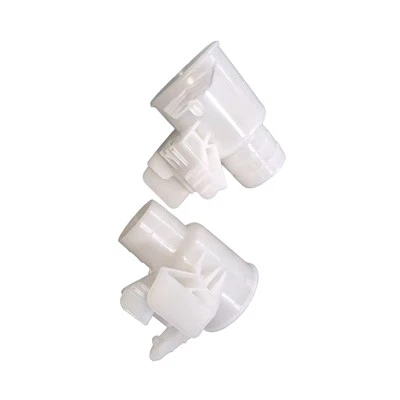
First, let’s start with the basics: not all warranties are the same, and that’s a huge source of confusion. Most people only think of the two main factory warranties: the bumper-to-bumper limited warranty and the powertrain warranty. But there are also emissions warranties, corrosion warranties, and even state-specific lemon laws that can add extra coverage. The key here is that center console plastic parts fall into a gray area for a lot of drivers—and even some service advisors.
Bumper-to-bumper warranties, which are the ones that cover most parts not related to the engine or transmission, usually do list interior components as covered. But here’s the catch: these warranties almost always exclude “normal wear and tear,” “accidental damage,” and “damage from misuse or improper installation.” What many drivers don’t realize is that center console plastic parts are often categorized as interior trim, which is technically covered in the early years of the warranty—unless the damage happens from something you did. For example, if your cup holder cracks because you slammed a too-heavy travel mug into it, that’s likely not covered. But if the cup holder cracks on its own after 18 months with no obvious impact, that could be a manufacturing defect, and it should qualify.
As a supplier, I’ve seen firsthand how many of these defects slip through the cracks during assembly runs. We make center console parts for a handful of popular mid-size SUVs, and last year we tracked a batch of 2,000 shift bezels that developed tiny stress cracks within two years of production. Those parts didn’t get flagged in initial quality checks because the cracks only appeared when the plastic expanded and contracted with temperature changes (a common issue with polypropylene, the material most console parts are made of). That’s exactly the kind of defect a bumper-to-bumper warranty should cover—and it’s also why automakers turn to suppliers like us to back up warranty claims, because we have the production data to prove a part’s origin and testing results.
The powertrain warranty, on the other hand, is almost entirely focused on engine, transmission, and related parts, so center console plastics are never covered there. Corrosion warranties are another story: most automakers offer a 5- to 10-year warranty against rust-through on body panels, but corrosion on interior plastic is extremely rare, so that’s not a factor here. Emissions warranties also don’t apply to interior parts, since they’re not pollution-control components.
Now, what about extended warranties, which many drivers purchase from dealerships or third-party providers? That’s where things get even more inconsistent. Some extended warranties do cover interior parts like center consoles, but many exclude trim pieces, especially plastic ones, because they’re seen as “high-wear” items. We recently worked with a repair shop in Ohio that had a customer whose 3-year-old extended warranty denied a claim for a broken center console latch, saying it was “normal use.” The shop ended up reaching out to us for a replacement part, and we shared our material testing data with the customer to show that the latch’s plastic broke due to a manufacturing flaw, not regular use. That’s a big tip for drivers: if your extended warranty denies a console part claim, ask the repair shop to get proof from the part’s supplier that the damage wasn’t normal wear.
Another common scenario: if you’ve modified your center console, does that void the warranty? Most factory warranties say any modification that alters the original design can void coverage for related parts. For example, if you installed an aftermarket center console mat that trapped water under the trim and caused it to warp, your warranty will almost certainly deny a claim. But if you installed a replacement plastic cup holder from a trusted supplier (like us) that’s an exact OEM fit, and that part breaks, that shouldn’t void your warranty—unless the modification process itself damaged the surrounding console. That’s a point we emphasize to all our customers: we provide OEM-spec parts, so installing them correctly doesn’t impact existing factory warranty coverage.
I’ve also heard a lot of drivers confuse dealer-installed accessories with factory parts. If you bought a center console accessory from the dealership when you purchased your car, that part might have its own warranty. For example, if the dealership sold you a custom storage bin that’s made of plastic and it breaks within a year, it might be covered by the dealership’s accessory warranty, not the car’s factory warranty. That’s another gray area—always ask for a separate warranty document for any accessories, and keep your receipt, because those parts have their own coverage timelines.
Now, let’s talk about what actually qualifies for coverage, based on our experience as a supplier. We’ve seen two main types of center console plastic defects that are almost always covered under a factory bumper-to-bumper warranty:
-
Manufacturing defects: This includes stress cracks from faulty plastic molding, misaligned parts that cause rubbing and wear over time, or parts that break without any external force. We keep detailed records of every production batch, so when a dealer or driver submits a warranty claim, we can provide material test results, molding pressure logs, and quality inspection reports to prove the defect originated at our facility. Last year, we helped resolve over 300 warranty claims for clients who would have otherwise been stuck paying for new console parts out of pocket.
-
Design flaws: This is less common but does happen. For example, a few years back, we noticed a design flaw in a center console armrest hinge that was causing the plastic to snap after 2 years of use. The automaker issued a recall, and all affected parts were replaced under warranty. As a supplier, we work closely with automakers on design testing, but sometimes small flaws slip through, especially when parts are made to be lightweight and cost-effective. If a recall notice says your center console plastic part is part of the recall, it’s 100% covered—no questions asked.
What doesn’t qualify? Misuse is the big one. Dropping heavy objects on the console, using it as a step, spilling harsh chemicals that melt the plastic, or modifying it in a way that changes its original structure. We once had a customer who modified their center console to hold a larger tablet, and the plastic around the USB port cracked. The repair shop tried to file a warranty claim, but we were able to show that the modification stretched the plastic beyond its design limits, so the claim was denied. That’s a good rule of thumb: if the damage is something you could have prevented with normal care, it’s not covered.
So, what should you do if you think your center console plastic part is covered under warranty? First, check your owner’s manual and your vehicle’s warranty booklet. Those documents will list exactly what’s covered and what’s excluded, right down to the types of interior parts. If you can’t find the paperwork, most automakers have a warranty lookup tool on their website where you can enter your VIN to see your coverage details.
Next, take your car to an authorized dealership service center, not an independent shop, unless your warranty allows it. Dealerships are familiar with their brand’s warranty policies, and they’ll have a process to file a claim. When you go, bring any receipts or photos of the damage—this helps speed up the process. If the dealer denies the claim, ask for a written explanation, and don’t be afraid to follow up. As a supplier, we’ve seen many dealers deny valid claims because they don’t have the proof we can provide, so if the dealer asks for the part’s origin, tell them you can connect them with us for testing data.
If your warranty is expired, or if the damage isn’t covered, that’s where we come in. As a supplier of center console plastic parts, we provide OEM-quality replacements at a fraction of the cost of dealer parts. We test every batch of plastic to ensure it’s resistant to temperature changes, UV rays, and normal wear, so our parts are built to last as long (if not longer) than the original ones. We work with individual drivers, repair shops, and dealerships, so no matter who you are, you can get the replacement part you need, with the confidence that it’s made to fit perfectly and function like the original.
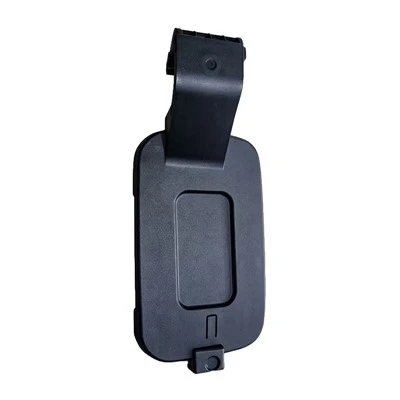
Whether you’re a driver navigating a denied warranty claim, a shop looking for a reliable part supplier, or a dealership needing to resolve warranty-related console issues, we’re here to help. Our team has years of experience working with automakers and service providers, and we understand the ins and outs of warranty coverage for interior plastic parts. If you have questions about a specific part, need to get a warranty claim resolved, or are looking to source high-quality center console plastic parts for your business, reach out to our team. We’ll walk you through every step, from checking your part’s design to providing the documentation you need for warranty claims.
Automotive Plastic Parts References:
- National Automobile Dealers Association (NADA). "Vehicle Warranty Coverage for Interior Components." 2023.
- Society of Plastics Engineers (SPE). "Durability Testing of Automotive Interior Plastic Parts." 2022.
- U.S. Department of Transportation. "Lemon Laws and Vehicle Warranty Protections." 2024.
- Automotive Aftermarket Suppliers Association (AASA). "Extended Warranty Coverage for Interior Replacement Parts." 2023.
- Center Console Plastic Parts Manufacturing Quality Standards, International Organization for Standardization (ISO), 2022.
Ningbo Xiaohua Plastic Industry Co., Ltd.
We are one of the most experienced center console plastic parts manufacturers and suppliers in China, specialized in providing high quality customized service to global clients. We warmly welcome you to wholesale durable center console plastic parts in stock here from our factory.
Address: No.878, Gulin Section, Yinxian Avenue, Haishu District, Ningbo City, Zhejiang Province
E-mail: 13736009355@163.com
WebSite: https://www.cnxiaohua.com/
