If you’ve ever pulled a loaf of bread from the shelf that stays fresh for weeks, bitten into a crispy French fry that doesn’t turn soggy the second it cools, or sipped a creamy yogurt with a consistent, smooth texture—you’ve used modified starch, and it all starts in a modified starch production line. For most people, “modified starch” sounds like a complicated, industrial term, but it’s just regular starch (usually from corn, potato, tapioca, or wheat) that’s been physically, chemically, or enzymatically changed to fit specific needs food, pharmaceutical, or paper industries can’t get from unmodified starch. As a supplier of these production lines, I’ve spent thousands of hours walking clients through every step of the process, and I’m here to break down exactly what a modified starch production line is, how it works, and why choosing the right one matters for your business. Modified Starch Production Line
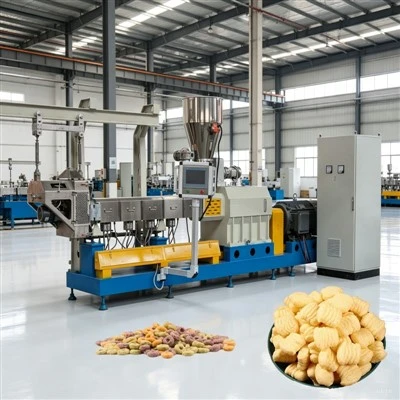
Let’s start with the basics: starch itself is a natural polymer made of two molecules, amylose and amylopectin, stored in plant roots, seeds, and tubers. Unmodified starch has a flaw, though—when you heat it in water, it gelatinizes to thicken liquids, but it breaks down quickly when exposed to high temperatures, acidic environments, or long storage. That’s where modification comes in. The production line is a fully integrated system designed to turn raw starch into a custom modified product, with every step calibrated to match a client’s specific application. For example, a client making instant pudding might need cross-linked modified starch that holds up to cold milk, while a paper manufacturer might need cationic starch to improve paper’s strength. No two production lines are identical, because each modification process requires different equipment, but most follow a core workflow.
The first step in any modified starch production line is raw material preparation. This isn’t just dumping bags of starch into a hopper; it’s a precise process to remove impurities and adjust moisture content to a consistent level. Most raw starch comes from mills as a powder, but it can have small traces of fiber, dirt, or leftover plant material that would ruin the final product. Our lines include a vibrating screener and a cyclone separator to filter out these contaminants, then a rotary dryer to adjust moisture to 10-12%—the sweet spot for consistent modification. We test every batch of raw material before it moves on, because even a 1% difference in moisture can throw off chemical reactions during the modification step. This is why so many new clients skip cheaper, less integrated lines; they end up with inconsistent raw materials that lead to batches of modified starch that don’t meet their product standards.
Next is the core modification step, and this is where the line’s design really matters. Modification can happen in three main ways, and a quality production line will be flexible enough to handle multiple types if a client wants to expand their product line. The most common methods are chemical modification, physical modification, and enzymatic modification. Let’s break each down, and how the production line supports it:
Chemical modification is the most widely used for food and industrial products. This involves treating starch with mild chemicals like sodium hydroxide, acetic anhydride, or sodium hypochlorite to change its molecular structure. For example, cross-linking (treating starch with epichlorohydrin) creates bonds between amylose molecules, making the starch resistant to high heat and acidic conditions—perfect for canned soups. The production line here includes a reaction tank, carefully controlled to maintain a specific temperature and pH level; a mixing system that ensures every starch particle is evenly coated with the modifying agent; and a neutralization tank that stops the reaction once it reaches the desired point. We also include a washing and dewatering system to remove excess chemicals, because food-grade modified starch has to meet strict regulatory standards (like FDA and EU food safety rules). A poorly designed line here might have uneven mixing, leading to some starch particles that are over-modified and others that are under-modified, resulting in a product that fails quality tests.
Physical modification is a newer, more eco-friendly alternative to chemical processing, and it’s growing in popularity with clients who want clean-label products. This uses heat, pressure, or moisture to change starch’s structure without adding chemicals. For example, hydrothermal modification (heating starch with controlled moisture to 120-180°C) creates pregelatinized starch, which dissolves instantly in cold water—ideal for instant sauces and dessert mixes. Our production lines for physical modification include a jet cooker, which quickly heats starch slurry to the right temperature, and a flash dryer that cools it immediately to lock in the modified structure. The key here is controlling the heat and moisture precisely; our lines use PLC (programmable logic controller) systems that adjust settings in real time, so clients can switch between different physical modification processes without halting production.
Enzymatic modification uses enzymes to break down or rearrange starch molecules, and it’s another clean-label option. For example, amyloglucosidase enzymes break starch into glucose syrup, used in confectionery and baked goods. The production line here has a bioreactor where enzymes are added at a specific temperature and pH, and a inactivation step to stop the enzymes once the reaction is done. We work closely with clients to source the right enzymes for their needs, and our lines include filtration systems to remove any residual enzymes, ensuring the final product is safe for consumption.
Once the modification is done, the production line moves to refining and finishing the modified starch. After reaction, the starch might have residual chemicals, unreacted starch, or byproducts, so the line includes a series of steps to clean and standardize it. First, a centrifuge separates the starch slurry from water and soluble byproducts, then a rotary vacuum filter removes excess moisture, leaving a cake of modified starch that’s about 30-40% moisture. Next, a flash dryer or rotary dryer reduces moisture to the required level, usually 10-12%, and a cooling system brings it back to room temperature to prevent caking. Finally, a pulverizer grinds it to a consistent particle size, and a screen separates any oversize particles that didn’t modify properly. We also include a quality control unit here, with in-line moisture meters and particle size analyzers that test every 15 minutes to ensure the product meets specifications. This step is crucial because even a small variation in particle size can affect how the modified starch performs in the final product—for example, a larger particle size might make a sauce gritty, while a too-small particle might not thicken enough.
Wait, I should mention regulatory compliance here, because that’s a big part of why clients choose a reputable production line. Most modified starch is used in food, so it has to meet strict regulations like the FDA’s Code of Federal Regulations (21 CFR Part 172) or EU Regulation 1333/2008. A quality production line will include features that make it easy to track every step, from raw material input to final product output, so clients can provide documentation to regulators. For example, our lines have a data logging system that records temperature, pH, and chemical usage for every batch, which is essential for audits. Cheaper lines often skip this, leading to clients having to invest in separate documentation systems, which adds time and cost.
Now, let’s talk about what makes a modified starch production line different from other chemical processing lines. It’s not just about mixing and heating; it’s about handling starch, a fine, dusty material that can cause equipment clogs or safety issues if the line isn’t designed right. Our lines have enclosed conveyors that move starch without creating dust, which is a fire hazard in industrial settings, and explosion-proof motors to prevent accidents. We also include dust collection systems that filter 99% of starch particles, keeping the workplace safe and reducing material loss. Another key difference is flexibility: many our clients start with one modification process, like cross-linking, then want to add pregelatinized starch or cationic starch for a new market. Our production lines are modular, so we can adjust them to add new equipment without a full overhaul, saving clients thousands of dollars in the long run.
I’ve seen a lot of new clients make the mistake of buying a cheap, imported production line that doesn’t account for these nuances. For example, a client making instant soup mix bought a line that didn’t have precise pH control during cross-linking, leading to batches of modified starch that thickened too much when heated, making their soups unpalatable. It took them months to fix the line, costing them production time and clients, before they switched to one of our lines. That’s why I always emphasize that a modified starch production line isn’t a one-size-fits-all machine—it’s a system tailored to your specific products, volume, and regulatory needs.
If you’re in the market for a modified starch production line, here are a few things to look for: first, modularity, so you can expand your product line later. Second, in-line quality control systems, so you can catch issues before a whole batch is ruined. Third, compliance with local food or industrial regulations, depending on your end use. And fourth, after-sales support—because even the best line needs maintenance, and you want a supplier who can send technicians to fix problems quickly, instead of waiting weeks for a replacement part.
Our team has installed lines for small-batch craft food producers making artisanal pudding and sauces, as well as large industrial facilities making modified starch for paper and pharmaceutical use. Every installation starts with a consultation: we ask about your raw materials, the type of modification you need, your production volume, and your target markets, then design a line that fits those needs. We also provide training for your staff, so they know how to operate the line, adjust settings for different products, and troubleshoot common issues.
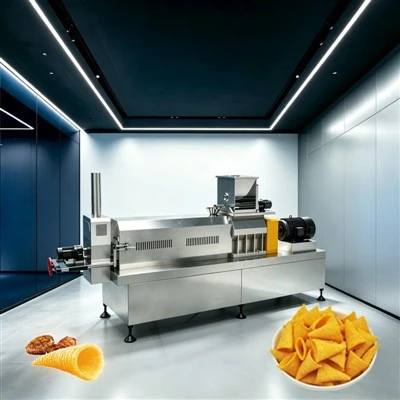
If you’re ready to upgrade or install a modified starch production line for your business, don’t settle for a generic, one-size-fits-all system. We’re here to work with you every step of the way, from initial consultation to post-installation support, to make sure your line meets your exact needs. Reach out to our team to discuss your project and get a customized proposal.
Pet Food Production Line References
- BeMiller, J. N., & Whistler, R. L. (2009). Starch: Chemistry and Technology. Academic Press.
- European Food Safety Authority (EFSA). (2021). Safety of modified starches for use in food. EFSA Journal.
- Patel, M. (2019). Modified starches: Types, production, and applications. Journal of Food Science and Technology.
- U.S. Food and Drug Administration (FDA). (2022). Direct food substances for human consumption: GRAS notices and food additive petitions.
Jinan Bright Machinery Co., Ltd
As one of the most professional modified starch production line manufacturers and suppliers in China, we’re featured by quality products and good price. Please rest assured to buy advanced modified starch production line for sale here from our factory. Contact us for more details.
Address: South Zone, Wande Industrial Park, Changqing District, Jinan City, Shandong Province
E-mail: admin@dingrunmachine.com
WebSite: https://www.chinafeedmachine.com/
