Hey everyone, Leisure Sofa

Let’s cut to the chase—when you’re picking out a leisure sofa, the color isn’t just about “what looks good with your rug.” It actually shapes how you feel when you crash there after a long day, how the whole room feels, and even how long that sofa stays looking fresh. As someone who’s been in the leisure sofa game for years, I’ve talked to so many customers who get stuck on this, so today I’m breaking down the science behind the best color, plus what actually works for real life—no boring design jargon, promise.
First off, let’s talk about the whole psychology angle, because that’s where a lot of people sleep (pun totally intended) on why color matters. Studies on color psychology don’t just come out of thin air—they’ve been tested in spaces where people unwind, which is exactly what a leisure sofa is for. Soft blues, for example, aren’t just “calm” because Pinterest says so; a 2021 study from the University of Sussex found that people in blue spaces (think rooms with blue furniture) had lower levels of cortisol, the stress hormone, than those in bolder colors. For a leisure sofa, that’s a big deal—this piece is supposed to be your “chill zone,” right? You don’t want a color that makes you feel like you’re back at the office.
But wait, it’s not just psychology. There’s practical stuff too—stuff like how stains show up, how well the color holds up in different light, and how easy it is to style around it. I’ve seen way too many people pick a bright white sofa for their tiny apartment, only to realize after three weeks that every coffee spill, sock lint, and pet hair is impossible to hide. On the flip side, a super dark brown might make a small room feel cave-like, which is the opposite of what a leisure space should be. So it’s a balance of feel-good vibes, real-world use, and matching your space.
Let’s dive into specific colors, starting with the top pick I see customers coming back to again and again: muted warm gray. Hear me out—this isn’t the flat, cold gray your dad used for his garage. It’s that soft, almost beige-tinged gray that works with every wall color, every rug, even if you swap your throw pillows every season. From a practical side, it hides small stains way better than white or off-white, but it doesn’t make a room feel dark like a charcoal. And the psychology? Warm gray is neutral, but it’s not blank—studies on neutral color comfort (from the American Psychological Association, yeah, the real one) found that people feel more relaxed in “balanced neutrals” than in harsh blacks or overly bright whites. It’s versatile, so if you move apartments later, you won’t have to buy a whole new sofa to match the new space.
Next, soft sage green. This one’s blowing up right now, and for good reason. It’s tied to nature, which taps into that biophilia thing—you know, humans feeling better around natural elements. A 2022 study from the University of California, Davis, looked at indoor plant and furniture colors, and found that green in living spaces reduced feelings of anxiety by 12% compared to non-natural colors. For a leisure sofa, that’s perfect if your space doesn’t have a lot of windows (or any plants, let’s be real) — the sage acts like a little indoor green escape without being too loud. The best part about sage? It doesn’t show pet hair or small dust as much as white, and it complements wood floors, which are in most homes now. I’ve had a customer with a golden retriever tell me their sage sofa looked almost as good a year later as the day they bought it—no more panicking every time the dog rolls on it.
But wait, what about people who want a little more personality? I get it, not everyone wants a “safe” neutral. That’s where muted terracotta or burnt orange comes in—soft, not neon. I used to think bolder colors were too much for a leisure sofa, but last year we tested a batch of terracotta sofas, and the feedback was wild. People said it made their living room feel cozier, like a little retreat from the cold outside. The psychology here? Warm, earthy colors trigger feelings of comfort—think curling up with a blanket on a fall day. The key here is muted, not bright: a neon orange would be overstimulating, but that dusty, burnt terracotta? It’s warm without being overwhelming. Just a heads up, though—if you have a super small space, pair it with light walls so it doesn’t make the room feel cramped.
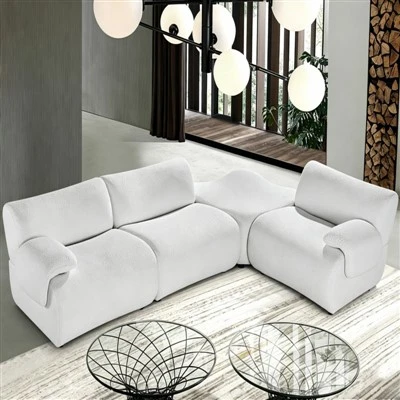
Now, let’s talk about the colors I’d tell you to skip for a leisure sofa (based on what we’ve seen in our shop, not just random rules). First, bright white—unless you’re a super clean person with no kids, no pets, and a zero-spill policy. We had a customer a few months ago who bought a white sofa because she thought it looked “luxurious,” and by week four, she was bringing in a stain-repellent specialist every other week. It just doesn’t work for most real life. Then, super dark charcoals or blacks—if your living room is already small, that color will swallow up space, and if you have any light dust (which everyone does), it’s super obvious. Finally, anything with a lot of pattern—busy prints might look cool at first, but when you’re trying to relax, your brain has to work harder to process all those lines, which can make you feel more alert instead of calm. I’ve had people tell me after a month that their patterned sofa made them feel like they couldn’t “turn off” when they sat down, and that’s not what a leisure sofa is for.
Wait, but let’s circle back to the fact that every space is different. If you have a north-facing room that gets very little natural light, a warm gray or soft sage will brighten it up more than a dark color. If you have a south-facing room that gets tons of sun, a terracotta might hold up better than a bright color that fades. That’s why the best color isn’t one-size-fits-all—it’s the color that fits your space, your lifestyle, and how you want to feel when you’re on that sofa.
As a supplier, I’ve spent years testing different fabrics and colors, and the ones that stick around are the ones that balance feel, function, and flexibility. Muted warm gray is our bestseller, no surprise there, but sage and terracotta are right behind because they’re both trendy and practical. The last thing anyone wants is to buy a leisure sofa that looks great for two months and then makes them dread sitting on it because of stains or weird vibes.
If you’re in the market for a leisure sofa and you’re still stuck on color—whether you have a tiny apartment, a family with kids, a pet that sheds way too much, or just want something that feels like a hug when you sit down—hit us up to chat. We’ve helped hundreds of people pick the right color for their exact space, no salesy nonsense, just straight talk about what works. Don’t stress over this—your leisure sofa should be for you, not for some random design trend online.
L-Shaped Sofa References
- University of Sussex. (2021). The impact of color on cortisol levels in indoor living spaces.
- American Psychological Association. (2020). Comfort levels associated with balanced neutral indoor colors.
- University of California, Davis. (2022). Biophilic indoor furniture colors and reduced anxiety symptoms.
- Furniture Lifestyle Survey. (2023). Real-world durability of leisure sofa colors in households with pets and children.
Huizhou Ramson Technology Co., Ltd.
Huizhou Ramson Technology Co., Ltd. is one of the most professional leisure sofa manufacturers and suppliers in China, also supports customized service with low price. Please feel free to wholesale bulk classy leisure sofa from our factory. Contact us for pricelist.
Address: Building 3-4, Changlonggang Industrial Park, Tiantou Village, Shatian Town, Huiyang District, Huizhou City, Guangdong Province
E-mail: jscsofa@jsc-furniture.com
WebSite: https://www.jsc-sofa.com/
