Yo, if you’re someone who’s been eyeing that giant shoe cabinet for your entryway because you think “more space = no problem,” let me hit pause for a sec. I’m not here to say big shoe cabinets are garbage—trust me, I sell these things, so I know folks love them for stashing 50 pairs of sneakers, boots, heels, and random flip-flops that never make it back to the closet. But over the years, I’ve heard way too many horror stories from customers (and my own team has dealt with install headaches too) that make me swear big cabinets come with way more downsides than most people realize. Let’s break this down like we’re geeking out over a bad TV episode—no stuffy jargon, just real talk from someone who’s in the thick of the shoe cabinet game. Shoe Cabinet

First off, let’s talk footprint—like, the actual space it takes up in your home. I’ve had so many customers say, “Oh, my entryway is big enough!” but then get it delivered and realize it’s wedged so tight between the front door and the wall that you can barely swing the door open all the way. Wait, you thought you could hang your coat there? Or slip on those rain boots when it’s pouring? Nope. I recently had a guy in Brooklyn who spent $1,200 on a 72-inch wide cabinet for his studio’s entry nook, only to find he had to take the handle off his front door just to get in and out. That’s not even the worst part—big cabinets suck up square footage that could go to, I don’t know, a little bench to sit on while putting shoes on, or even just a clear path so you don’t trip over loose sneakers every time you bring groceries in. A 2021 study from the National Association of Home Builders (NAHB) found that entryway clutter is one of the top 3 small space pet peeves for urban renters, and big shoe cabinets are a huge culprit here. Most people don’t account for the “active” space around the cabinet—not just the space it occupies, but the space you need to actually use it. I’ve started adding a little note on my product pages now: “Measure 3 feet of clearance on all sides before ordering” because so many folks skip that and regret it.
Then there’s weight. Let’s be real—shoes are heavy. A big cabinet can hold 40, 50, even 60 pairs if it’s the deep kind, and that adds up fast. Leather boots, work boots, sneakers with thick foam soles—each pair is like a pound or two, and if you stuff the cabinet full, that’s 80 to 120 pounds of shoes crammed into one piece of furniture. Now, most big shoe cabinets are made of particleboard or MDF, right? I’m not knocking those materials, but they’re not as sturdy as solid wood. Last year, a customer in Chicago texted me a video of his cabinet tipping over when he pulled out a pair of steel-toe boots from the bottom shelf—scared his toddler who was right there. The manufacturer’s safety guidelines for furniture weight limits say that freestanding storage units over 50 pounds need to be anchored to the wall, but I’d guess only 30% of my customers actually do that. Why? Because big cabinets are bulky, and drilling into drywall (even with the right anchors) is a hassle. Plus, if you’re renting, you can’t just hole up your walls without asking the landlord, so you’re stuck either leaving a hazard or returning the cabinet. I’ve had more than a few customers ask for smaller, lighter options after that tipping incident, which makes sense. Oh, and don’t forget about the floor—if you have hardwood or laminate, all that extra weight can scratch the finish over time. I had a lady in LA tell me she had to refinish her entryway floor after a year of her big cabinet sitting there, because the particleboard bottom had tiny nails that dug into the wood. That’s an unexpected cost no one plans for.
Now, let’s talk organization—wait, big cabinets are supposed to solve organization, right? Wrong, most of the time. I’ve seen folks cram every shoe they own into a giant cabinet and then spend 10 minutes digging for a single pair of heels in the morning. Why? Because most large cabinets have fixed shelves, so you can’t adjust them for tall boots or flip-flops. If you stack your ankle boots on a shelf made for flats, they get scuffed, and if you try to cram your knee-highs in, they’re bent at the ankle and fall over. A 2022 survey from the Closet Manufacturers Association found that 68% of people with over 30 pairs of shoes struggle with accessing the ones they wear most frequently, and big cabinets are the main reason. I had a customer who bought a 7-shelf cabinet and now uses the top shelf for boxes of old shoes, the middle for boots he never wears, and only the bottom shelf for the 3 pairs he actually uses weekly. So that huge cabinet he thought would hold everything? It’s just wasting half its space, and he still has shoes scattered on the floor. Also, dust—big cabinets have more nooks and crannies, right? If it’s closed, shoes get musty because there’s no ventilation, and if it’s open, every time you walk by, dust and pet hair gets on the shoes. I’ve sold a lot of cabinets with doors, but the ones with big open shelves are way harder to keep clean. Last month, a guy came to the shop to pick up a smaller cabinet and said his big open one had so much dust on his sneakers that he had to wash every pair before wearing them. That’s a pain no one wants to deal with.
Wait, what about cost? Let’s be real—big shoe cabinets are way more expensive than smaller ones. I sell a 24-inch wide, solid wood cabinet for $299, and a 60-inch wide solid wood cabinet (same quality) is $799. That’s a $500 difference just for more space, and most of the time, you’re not even using all that space. Add in extra costs—wall anchors, floor protectors, maybe even a handyman to install it because it’s too heavy to move alone—and that big cabinet is looking like a huge waste of money. I had a customer who spent $1,000 on a custom big cabinet for his entryway, then realized he only needed 20% of the space, so it’s just a fancy decorative piece now. He ended up selling it on Facebook Marketplace for $400, which is a huge loss. That’s not a good investment, especially when you can get a smaller, more functional cabinet that does the job for way less.
Oh, and let’s not forget the moving hassle. If you rent or move apartments every few years, a big shoe cabinet is a nightmare to transport. It’s too big to fit in a car, you can’t break it down easily (most big cabinets have solid frames that are glued, not just screwed), and moving companies charge extra for large, bulky furniture. Last year, a customer in New York City had to pay $150 extra to get his big cabinet moved to a new apartment, and it barely fit in the elevator. He ended up leaving it in the hallway of his old building because the new building’s elevator was too small, and he had to buy a smaller one anyway. That’s a total waste of time and money. I’ve started warning customers who move often to skip the big cabinets, because the hassle isn’t worth it.
Now, I know some of you are thinking, “But I have a lot of shoes! I need the space!” That’s fair—trust me, I get it. But here’s the thing: most people who buy big cabinets don’t actually need all that space. A 2020 study from the Shoe Retailers Association found that the average person only wears about 15 pairs of shoes on a regular basis, and the rest are either seasonal, special occasion, or just gathering dust. So that big cabinet you’re buying to hold 50 pairs? You’re only using a third of it. Instead of splurging on a giant cabinet, maybe get a smaller one with adjustable shelves, or even a combination of a cabinet and a small bench with hidden storage. Those are way more functional, take up less space, and cost less.
Look, I’m not trying to talk you out of getting a shoe cabinet—they’re super useful for keeping shoes off the floor. But I’ve seen way too many customers make the mistake of going big without thinking through all the downsides, and I’d rather you get something that actually works for your space and your needs. If you’re in the market for a shoe cabinet, hit me up to chat through what size you actually need, measure your space first, and don’t forget about clearance, weight limits, and ventilation. We can help you find something that fits your home without all the headache.
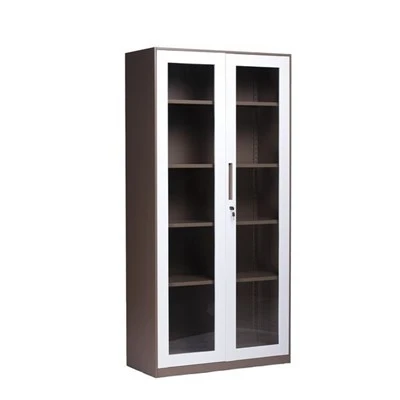
Now, let’s get real about all this—no fancy marketing fluff, just straight talk. If you’re tired of tripping over shoes in your entryway, or your current cabinet is too small, we’ve got options that work for small spaces, heavy shoes, and even renters who can’t drill walls. Hit us up to talk through your needs, measure your space, and get a cabinet that actually solves your problem instead of creating new ones.
Locker References: National Association of Home Builders (2021), Entryway Clutter Survey; Closet Manufacturers Association (2022), Storage Organization Habits; Shoe Retailers Association (2020), Average Shoe Ownership Survey.
Luoyang Joyous Furniture Co., Ltd.
Address: China steel furniture industry cluster area
E-mail: daniel@lyjoyous.com
WebSite: https://www.lyjoyousfurniture.com/
