If you’ve ever stood in a hospital procurement meeting or talked to a surgeon upgrading their surgical suite, you’ve probably heard the same question: “How much does a 4K UHD endoscopic system actually cost?” As a supplier focused on delivering these systems to medical facilities across the globe, I get asked this at least a dozen times a week—and for good reason. A 4K UHD system isn’t just a piece of equipment; it’s a tool that directly impacts surgical precision, patient outcomes, and surgical team efficiency. Pinning down a single “price range” is tricky, though, because there are so many variables that go into the final cost. Let me break this down like we do with every new customer, no hidden fine print or overcomplicated jargon. 4K UHD Endoscopic System
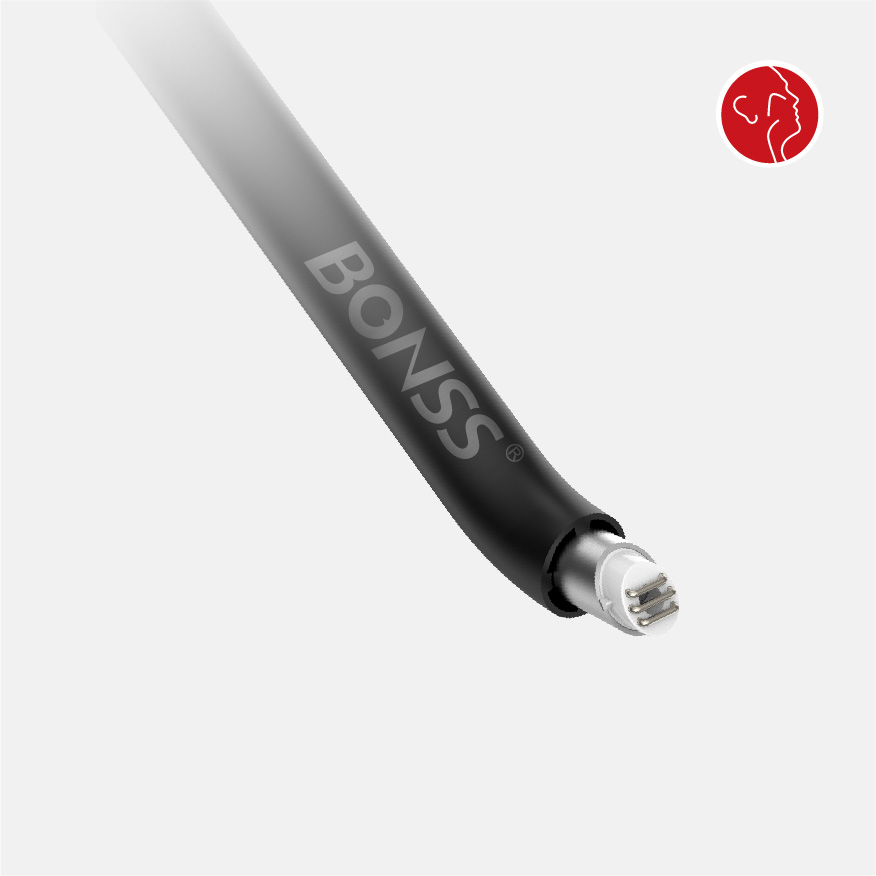
First, let’s set a baseline to understand why price varies so much. A basic 4K UHD endoscopic system isn’t just a camera; it’s a full ecosystem. That includes the camera head with its processor, the light source, a sterile scope, display monitors, cable sets, and sometimes additional accessories like image recorders or sterile drapes for single-use components. I’ve seen customers come in thinking they just need a “4K camera,” but cut corners on important parts like a high-intensity LED light source, and end up with blurry images that force them to reorder a full system six months later. That’s why a lot of what drives price comes down to the features you actually need for your specialty and facility.
Let’s start with the lower end of the range, which typically lands between $15,000 and $30,000. This is the entry-level system, built for small clinics, private practices, or facilities that only use endoscopy for routine, low-complexity procedures—like basic gastrointestinal screenings or simple orthopedic joint injections. These systems are usually compact, easy to set up, and don’t require a lot of extra infrastructure, making them ideal for teams that don’t have dedicated OR space for a large, heavy system. The camera here is often a 4K CMOS sensor with a 10-bit color depth, which is enough for clear images in a controlled, low-demand setting. But there are trade-offs: these entry-level systems might not have advanced features like auto-adjusting light levels during a procedure, or the ability to integrate with existing electronic health record (EHR) systems. For a small clinic that only does 50 procedures a month, though, this is often all they need—paying more for extra features they’ll never use just doesn’t make financial sense.
Next is the mid-range, which is the sweet spot for most hospitals and large outpatient surgery centers, clocking in between $30,000 and $60,000. This is where you start to get systems designed for a wider range of specialties: general surgery, urology, gynecology, and even basic minimally invasive cardiac procedures. The key difference here is reliability and versatility. These systems use higher-grade components: a 4K UHD sensor with 12-bit color depth, which captures far more nuance in tissue and reduces eye strain for surgeons during long procedures. They also come with features like automatic white balance, image stabilization, and compatibility with single-use scopes, which are critical for infection control in busy hospitals. Another big factor here is build quality: mid-range systems are designed to hold up to 500+ procedures a year, with easier maintenance and longer component lifespans. I remember a urology team last year who upgraded from an entry-level system to a mid-range model—they told me the image clarity let them spot a small polyp they’d missed before, cutting down on follow-up procedures by 12% in the first six months. That’s the kind of return on investment that makes the mid-range worth it for most facilities.
Then there’s the premium end, which runs from $60,000 up to $150,000 or more. These are the high-end systems built for large academic medical centers, complex tertiary care facilities, and teams doing advanced minimally invasive surgery (MIS) or robotic-assisted procedures. What makes these systems so expensive isn’t just the camera—it’s the entire ecosystem’s integration and innovation. For example, premium 4K systems often have dual-camera heads that can switch between wide-angle and high-magnification modes in seconds, or 3D visualization capabilities that add depth perception for surgeons working in tight, hard-to-reach spaces. Many also integrate seamlessly with operating room automation systems, EHR platforms, and even surgical simulation tools for training. Single-use scopes here are often custom-made for specific procedures, and some systems include AI-powered features that flag abnormal tissue during a procedure—like early signs of cancer, which can be removed immediately instead of waiting for a biopsy. The cost here also factors in extensive clinical validation and longer warranty periods; a premium system might come with a 5-year parts and labor warranty, compared to the 1-year warranty on entry-level models. For a trauma center that does 1,000+ complex procedures a year, this investment pays off in faster operating times, fewer complications, and better patient outcomes.
Now, it’s not just the base system price that matters—there are a ton of hidden costs that most buyers don’t account for when budgeting. First, scope costs: reusable scopes can cost $1,000 to $5,000 each, and they need to be reprocessed after every use, which adds time and labor. Single-use scopes, which many facilities are switching to for infection control, can run $500 to $2,000 per use, but they eliminate reprocessing costs and reduce the risk of cross-contamination. Then there’s infrastructure: some larger systems require dedicated power outlets, cooling systems, or mounting hardware for the OR, which can add $2,000 to $10,000 to the total cost. Training is another big one—surgeons and OR staff need to learn how to operate a new 4K system properly, and that training can cost $1,000 to $5,000 per team, depending on the complexity of the equipment. Even accessories like sterile drapes, cable extenders, and image recorders add up fast, often adding $1,000 to $5,000 to the initial purchase.
Another variable that impacts price is whether you’re buying new or refurbished. Refurbished 4K endoscopic systems can cost 30% to 50% less than new ones, which makes them a popular option for smaller facilities or clinics on a tight budget. But not all refurbishments are equal—you want to work with a supplier that fully tests every component, replaces worn parts, and offers a warranty of at least one year. I’ve seen some cut-rate refurbishments that ended up costing customers more in repairs within a year, so it’s always worth asking for proof of testing and a clear warranty before you buy.
When I talk to customers, I always emphasize that the “right” price range isn’t the cheapest or the most expensive—it’s the one that matches their volume, specialty, and long-term goals. A private practice that does only routine colonoscopies doesn’t need a $150,000 premium system, just like a large academic center can’t get away with a $20,000 entry-level model for their robotic MIS program. The key is to calculate the total cost of ownership, not just the upfront price. That includes reprocessing costs, maintenance, downtime for repairs, and the impact on patient outcomes. For example, a mid-range system might cost $40,000 upfront, but if it cuts procedure time by 10% and reduces the number of repeat procedures by 8%, that’s a return on investment within 18 to 24 months.
I also want to address a common misconception: more expensive doesn’t always mean better. I’ve had customers come in asking for the “top-of-the-line” system because they think it will solve all their problems, only to realize they don’t have the OR space or staff to use all its features. On the flip side, I’ve had customers who tried to save money by buying a cheap, unbranded 4K system from a overseas supplier, only to find that the camera’s color accuracy was so bad they couldn’t distinguish between healthy and abnormal tissue—leading to unnecessary biopsies and patient complaints. That’s why working with a reputable supplier matters as much as the price tag.
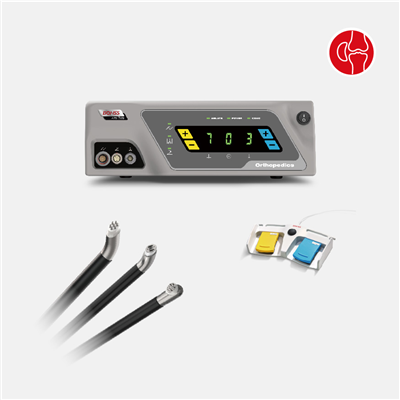
At the end of the day, choosing a 4K UHD endoscopic system is a big decision, and the price is just one piece of the puzzle. You need to think about your current needs, your future growth, and the support you’ll get after the sale. If you’re a facility manager, surgeon, or procurement officer who’s ready to narrow down your options and find a system that fits your budget and your needs, I’m here to help. Whether you’re looking for an entry-level system for a small clinic, a mid-range system for a busy outpatient center, or a premium system for a large hospital, I can walk you through the details, answer all your questions, and help you find the best value. Don’t hesitate to reach out to discuss your specific requirements and get a customized price quote that works for you.
Spine Surgical Power Systems References
- American College of Surgeons. (2022). Minimally Invasive Surgery Toolkit: 4K UHD Systems in Surgical Suites.
- Global Endoscopy Market Report. (2023). Equipment Price Benchmarks for 4K UHD Endoscopic Systems.
- World Health Organization. (2021). Infection Control Guidelines for Endoscopy: Single-Use vs. Reusable Scopes.
- Journal of Surgical Education. (2022). Clinical Outcomes of 4K vs. HD Endoscopic Systems in General Surgery.
- Healthcare Financial Management Association. (2023). Total Cost of Ownership Analysis for Medical Imaging Equipment.
Jiangsu Bonss Medical Technology Co., Ltd.
As one of the most professional 4k uhd endoscopic system manufacturers and suppliers in China, we’re featured by quality products and good price. Please rest assured to buy bulk 4k uhd endoscopic system for sale here from our factory. Customized orders are welcome.
Address: Building #7,No.898,China Medical City Avenue, Haling District, Taizhou City.Jiangsu P.R. China
E-mail: inquiry@plasma-surgical.com
WebSite: https://www.bonssmedical.com/
