If you’ve ever walked through a manufacturing facility producing food packaging, cosmetic tubes, or pharmaceutical containers, you’ve likely seen the hot filing machine at work. These machines fuse plastic films together with precise heat and pressure to create sealed, leak-proof packages—critical for products that rely on hermetic protection from contaminants. As a hot filing machine supplier, I get asked dozens of questions each month from new operators, facility managers, and even engineering teams: “What training do our people actually need to run one of these safely and effectively?” It’s not just a matter of flipping a switch. Hot filing machines blend electrical mechanics, thermal science, and quality control, so training has to cover both hands-on operation and the “why” behind every setting. After 12 years supplying these machines to small-scale packaging shops and Fortune 500 production lines, I’ve seen what works and what doesn’t when it comes to training new team members. Let’s break it down. Hot Filing Machine
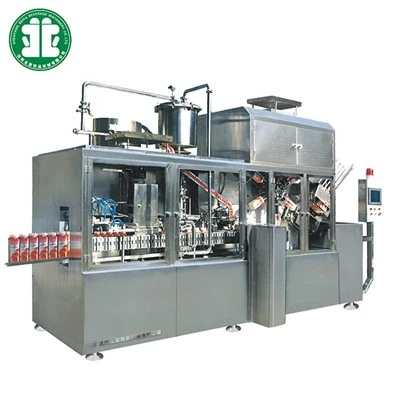
First, there’s the foundational classroom training that happens before anyone touches a machine. This isn’t just a 10-minute overview of the control panel; it’s built to avoid the most common mistakes that lead to machine downtime or safety incidents. For a new operator, the first module covers the machine’s core components: the heat sealer heads, pressure rollers, film feed mechanisms, temperature controllers, and emergency stop (E-stop) systems. A lot of first-time operators skip this part and dive straight into trial runs, but I’ve watched that lead to someone accidentally misaligning a film roll and jamming the sealer head—which can cost hours of production time while the machine is disassembled. We start with safety protocols here, too, because hot filing machines operate at temperatures up to 400 degrees Fahrenheit, a burn risk that’s easy to underestimate. Training includes hands-on demos of how E-stops work (both the big push-button on the control panel and the secondary pull cords along the machine’s sides), proper lockout-tagout (LOTO) procedures for maintenance, and first aid for minor thermal burns. We also cover material science basics: not all plastics behave the same way. Polyethylene (PE) used in snack bags melts at a lower temperature than polypropylene (PP) used in yogurt cups, so using the wrong heat setting for a film type will result in weak seals that split during shipping. This part isn’t just theoretical—we bring in sample film rolls for trainees to test, and point out real-world examples of failed seals from past projects to drive the point home.
Next comes hands-on, supervised machine training. This is where classroom learning translates to action, and it’s the part that many under-trained operators skip entirely. Here, we split training into three progressive stages, each with a skill check before moving on. The first stage is basic operation: loading film rolls, threading the machine’s feed path, adjusting the film tension, and setting up the product guides. Tension is a big one—too tight and the film stretches, leading to uneven seals; too loose and it bunches, causing misalignment. Trainees start with scrap film rolls to practice these steps, no production materials wasted. The second stage is setting core parameters: temperature, pressure, and speed. For temperature, we teach how to use the machine’s built-in temperature tester to verify calibration (many operators just go by the digital display, which can be off by 10 to 20 degrees if the sensor is dirty). Pressure adjustments are tied to film thickness: a thin 2-millimeter film needs lighter pressure than a 5-millimeter rigid film. Speed is often a balancing act—faster lines boost production rates, but too much speed means the sealer head doesn’t have enough time to fuse the plastic, resulting in weak seals. Trainees run test batches, then test the seal strength using a digital pull tester: a good seal should hold up to at least 5 pounds of force for food packaging, per industry standards. The third stage is troubleshooting common minor issues. This is where trainees learn to identify things like misaligned seals, air bubbles in the seal area, or film jams and fix them without waiting for a maintenance technician. For example, if a seal is too thin, they’ll first check that the sealer head is clean (burned plastic residue on the head creates a poor bond) before adjusting the temperature. I can’t tell you how many times a facility has called us for a machine repair just to learn the operator had a burned sealer head that cost them $2,000 in downtime in a single shift.
Then there’s specialized role-specific training, because a hot filing machine operator isn’t the only person working with the equipment. For shift supervisors, training covers quality control oversight and performance metrics. Supervisors need to understand how to track seal failure rates, adjust parameters for different product runs, and spot patterns that indicate machine wear (like consistent seal failures at one end of the sealer head, which might mean a bent element). For maintenance technicians, training goes deeper into mechanical and electrical systems: they learn to calibrate temperature sensors, replace sealer elements, and fix drive motors or feed mechanisms. Many suppliers, including us, offer advanced training for technicians on predictive maintenance, so they can spot early signs of wear before it leads to a breakdown—something that saves clients 30% or more on unplanned repair costs, according to our data. We also offer product-specific training for industries with unique requirements: for pharmaceutical packaging, trainees learn how to adjust the machine to avoid cross-contamination between different drug formulations, and for cosmetic tubes, they learn to handle flexible, thin films that require much lower heat settings. This specialized training is key because a machine that works great for snack bags won’t work safely for medical packaging.
Ongoing training is another piece that’s often overlooked. A lot of facilities do a one-and-done training when they first get a machine, but hot filing machines evolve, and new materials and standards come out every year. We recommend monthly refreshers for operators, covering updates to machine software, new film types, or safety protocol changes. For example, when the FDA updated its food packaging seal standards in 2022, we held a company-wide training for all our clients’ operators to adjust their settings and testing methods to comply. We also offer annual hands-up training for operators who want to learn advanced skills, like setting up custom seal patterns for new product lines. I’ve seen facilities where operators who complete this ongoing training end up being promoted to shift supervisors, because they have a deeper understanding of the machine and can help reduce production errors.
Now, let’s talk about what happens when training is insufficient. I hear from clients every month who are dealing with this. Last year, a small cosmetic packaging shop bought a used hot filing machine and sent two operators through a 2-hour online training before they started production. Within a week, they had a machine jam that burned the sealer head, and 12,000 cosmetic tubes had weak seals that split during shipment, leading to $15,000 in product returns and lost revenue. When they reached out to us, we first had to retrain their operators properly, then repair the machine. That’s a avoidable cost—all because they skipped hands-on, supervised training and skipped the material science basics.
As a supplier, we don’t just sell machines and walk away. We build our training programs around the needs of our clients, because we know that even the best machine won’t perform well if the operator isn’t properly trained. Our training modules include on-site sessions at our facility (where trainees can practice with our machines under our guidance), on-site training at the client’s facility during machine installation, and 24/7 virtual support for troubleshooting after the training is complete. We also provide a digital training portal with video tutorials, quick reference guides for settings based on film type, and a forum where operators can ask questions and share tips.

At the end of the day, operating a hot filing machine requires a mix of theoretical knowledge, hands-on practice, and attention to detail. It’s not a role that anyone can walk into without proper training, because a small mistake can lead to big costs for a business. If you’re in the market for a hot filing machine and looking to ensure your team is properly trained, or if you’re currently dealing with gaps in your operator training, reach out to our team for more details on our training programs and machine offerings. We’re here to help you get the most out of your equipment and keep your production running smoothly.
Juice Filling Machine References
- Packaging Machinery Manufacturers Institute. (2021). Safety Standards for Hot Sealing Equipment in Food and Pharmaceutical Packaging.
- American Society for Quality. (2022). Operator Training Guidelines for Industrial Packaging Machinery.
- Food and Drug Administration. (2022). Guidelines for Seal Integrity in Flexible Plastic Packaging for Food and Cosmetics.
- International Society of Packaging Engineers. (2020). Material Science Basics for Packaging Machine Operators.
Shenyang Beiya Beverage Machinery Co., Ltd.
With abundant experience, we are one of the most professional hot filing machine manufacturers and suppliers in China. If you’re going to buy customized hot filing machine made in China, welcome to get quotation from our factory. For price consultation, contact us.
Address: No. 2-1, Tongling Street, Yuhong District, Shenyang City, Liaoning Province, China
E-mail: market@sybeiya.com
WebSite: https://www.chinafilling.com/
