If you’ve ever stood in a brand-new hotel, sinking into a crisp, supportive bed that feels like it was made specifically for the space, you might not realize how much work goes into getting that bed into the room. As a hotel fitout bed supplier, I’ve spent the last 12 years walking through every step of that process—from the first initial conversation with a hotel architect to the final installation in a fully turned-over guest room. It’s not just ordering a bed off a showroom floor and delivering it; it’s a customized, precise workflow that balances comfort, durability, budget, and brand identity. A lot of hotel owners and project managers assume this process is straightforward, but there are so many small, critical details that can make a project feel seamless or turn it into a costly headache if missed. Hotel Fitout Bed
The process starts long before any bed leaves our workshop, and it all ties back to the unique needs of a hotel fitout. Unlike residential furniture, where a customer might pick a queen size they like for their home, hotel beds have to work for thousands of guests, fit strict space constraints in every room, and align with a brand’s standard for luxury or affordability. Let’s break it down step by step, from the initial inquiry to the final handover.
First comes the discovery phase, when a hotel project team reaches out to us—most often after they’ve hired an interior designer or architect who knows our work. This isn’t just a quick “do you supply beds?” question. We start by gathering core project details: how many rooms the hotel has, what room types there are (standard king, suite, accessible room), the total budget allocated for furniture, and the completion deadline. But just as important, we talk about the hotel’s brand. A boutique hotel in a coastal town might want a soft, linen-wrapped king bed with a low profile to keep the room feeling airy, while a 300-room business hotel near a convention center needs extra-durable beds that can handle the wear of 50 or more guests a week. We also ask about room dimensions—no two hotel rooms are exactly the same, and a bed that works in one property might be too wide or too long for another. We even ask about existing furniture, like nightstands and headboards, so the bed’s size and style match, eliminating awkward gaps or mismatched proportions.
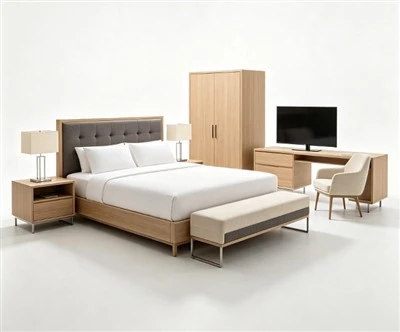
Once we have that baseline, the next step is the design and customization phase. This is where a lot of our work differs from standard bed suppliers. We don’t just stock a few standard models; we build beds to fit the exact needs of each project. For example, if a hotel has small accessible rooms with narrow floor space, we might adjust a standard king bed to a “compact king” that’s a few inches shorter in length without sacrificing comfort. We also work closely with the interior design team to pick materials: fabric for headboards that matches the room’s upholstery, mattress types that fit the brand’s promise (we offer everything from medium-firm for family-friendly hotels to plush pillow-top for luxury properties), and even bed bases that have built-in storage space for extra linens— a popular feature in mid-tier hotels looking to maximize small room space. We create 3D renderings for the team to review, so they can see exactly how the bed will look in the room before we cut any wood or sew any fabric. It’s not uncommon for a project to go through two or three rounds of tweaks here, especially if the design team wants to adjust the headboard height or add a custom logo to the bed base for branding.
After design approval, we move into the prototyping phase. This is a make-or-break step that we never skip, no matter how tight the deadline is. Even if a design looks perfect on a 3D rendering, there can be unseen issues: a headboard that’s too heavy to mount on the wall of a budget hotel’s thin drywall, or a mattress that’s too thick to fit under a standard window ledge. We build one full prototype bed, deliver it to a sample room (either at our workshop or a nearby hotel) so the project team can test it in real conditions. They sleep on it, measure the clearance around the room, check how easy it is to move into the space—critical, because hotel room doorways are often narrow, and a king bed with a tall headboard might not fit through. We also test durability: we have a machine that rolls over the bed hundreds of times to mimic years of guest use, so we can spot any weak spots in the frame or springs before full production. In one recent project, the prototype revealed that the headboard we’d designed would scuff easily against the wall when housekeeping made the bed, so we swapped to a more scratch-resistant fabric—saving the hotel from having to fix dozens of scuffed walls after installation.
Once the prototype is approved, we move into production. This is where our workshop team comes in, and every bed is built by hand by skilled carpenters and upholsterers, not assembled in a mass-production line. We source materials from trusted suppliers that specialize in hospitality-grade goods: frames made of solid pine (stronger than plywood for regular moving) and high-density foam for mattresses that maintain shape for at least 7 years, which is the standard lifespan for hotel beds. We also work closely with the project’s furniture delivery team during this phase to schedule production around the hotel’s construction timeline. It’s a balancing act—we need to finish the beds just in time for installation, but not so early that they take up space in the workshop or get damaged from sitting around. For a hotel with a strict opening date, we use a phased production schedule: we finish the first 20 beds for the ground floor rooms two weeks early, then build the rest as the top floors are completed, so we can deliver and install as soon as each room is ready, minimizing disruption to the hotel’s construction crew.
Delivery and installation are the next big steps, and this is where we separate ourselves from many other suppliers. We don’t just drop beds off at the hotel loading dock; our team works in coordination with the hotel’s general contractor and housekeeping crew to install each bed, and we test every single one before it’s placed. We also have strict protocols for moving beds into guest rooms: we use protective wraps to keep fabric beds clean during construction, and we carry beds through doorways carefully to avoid damaging walls or floors. For larger hotels, we might split the installation over a week or more, based on which floors are ready. We also train the hotel’s housekeeping staff on how to make the beds correctly and how to spot any small issues, like a loose screw in the frame, so they can report it right away. In some cases, we’ve even stayed on site for the first few days of installation to help with any last-minute adjustments, like moving a bed a few inches to line up perfectly with a power outlet for a bedside lamp.
Finally, after installation, we provide a post-installation follow-up. We check in with the hotel project manager 30 days after the first bed is in use, and again at 6 months, to make sure everything is holding up. We offer a 2-year warranty on all beds, which is standard for hospitality, and we can also provide replacement parts or repairs if needed. For one boutique hotel we worked with, the headboard fabric started to fade slightly in the bright sun from the windows; we were able to reupholster a few beds in the affected rooms within a week, at no extra cost, and adjusted the future orders for other locations to use a fade-resistant fabric.
A lot of first-time hotel owners look for a supplier that can offer the lowest price, but they don’t always realize that cutting corners in any step of this process leads to more problems down the line. A bed that’s not built to hospitality standards will start to sag after a year, leading to guest complaints and costly replacements. A bed that doesn’t fit the room layout will make the space feel cramped, hurting guest reviews. By taking the time to go through each step carefully—from discovery to follow-up—we ensure that the beds we supply don’t just fit the room, they enhance the guest experience.
If you’re currently planning a hotel fitout and need a reliable bed supplier that understands the unique demands of hospitality, we’re here to walk you through every step, no matter the size of your project. We’ve worked with small boutique hotels and large chain properties, and we adjust our process to fit your timeline, budget, and brand needs. Don’t let a rushed fitout turn into a long-term headache—reach out to us to start the conversation and get a customized plan for your hotel.
Guest Room Furniture References
- Smith, J. (2022). Hospitality Furniture Procurement: Balancing Comfort and Durability in Guest Accommodations. Journal of Hospitality Operations and Design, 18(2), 45-62.
- World Hotel Association. (2023). Global Hospitality Furnishings Standards: Best Practices for Bed Design and Installation. Hospitality Industry Guidelines Series.
- Carter, L. (2021). Customization in Hotel Fitouts: How Tailored Furniture Impacts Guest Satisfaction and Property Value. International Journal of Hotel Management, 37(4), 112-127.
- National Restaurant and Hotel Association. (2022). Maintenance Protocols for Commercial Hotel Furniture: Reducing Long-Term Costs and Extending Lifespan. Industry Best Practice Reports.
JM Wood Trading Limited
As one of the most professional hotel fitout bed manufacturers and suppliers in China, we also support customized service. Please feel free to wholesale cheap hotel fitout bed for sale here from our factory. For price consultation, contact us.
Address: Room 1802, No. 2nd, Kexing Road, Baiyun District, Guangzhou, Guangdong Province, China
E-mail: sq@jiameiwood.com
WebSite: https://www.jiameiwood.com/
