Alright, let’s cut to the chase—you’ve seen those massive, bright screens at music festivals, stadiums, or even the side of a big box store blaring sales, right? That’s an outdoor LED wall. I’ve been selling these bad boys for years, so let me break down what they actually are, how they work, and why they’re not just a fancy gimmick for events. First, let’s get one thing straight: outdoor LED walls aren’t just indoor screens dragged outside. If you tried that, you’d have a dead screen in an hour—trust me, I’ve seen it happen to a guy at a local fair years ago. He hauled his indoor display out for a concert, and by midday, the sunlight washed out every image, and the humidity fried the wiring. Oops. Outdoor LED Display

So, what is an outdoor LED wall, exactly? Let’s start with the basics: it’s a modular display made up of tiny LED panels (like, really tiny, we’re talking millimeters here) stitched together to make a huge, seamless surface. But the key word here is “outdoor.” That means every single part is built to survive whatever Mother Nature throws at it—rain, wind, extreme heat, even snow. The panels have a tough, weatherproof casing (usually IP65 rated, which is basically code for “can handle a downpour without crying”), the LED diodes are brighter than your living room TV’s, and the wiring is sealed tight so water can’t sneak in. Unlike indoor screens that dim when the lights go up, outdoor ones have high-nit diodes (nit is the unit for brightness, FYI)—we’re talking 5,000 to 10,000 nits here. Compare that to your phone, which is like 500 nits max on full blast. That’s why you can see a video of a band on that screen even if you’re standing right in front of it on a sunny day. No squinting required.
Let me walk you through how it works, because it’s not rocket science, but it’s way cooler than it looks. Each tiny LED panel has its own cluster of red, green, and blue LEDs—those are the three primary colors, same as your TV. When they light up in different combinations, they make every color you can imagine. The modular part is important too—if one panel goes bad, you just swap it out instead of replacing the whole wall. That’s a huge win for event organizers who can’t afford downtime mid-show. And since they’re modular, you can adjust the size to fit any space: a small 10×10 wall for a local farmers’ market, a 50×20 monster for a Super Bowl watch party, whatever. I’ve set up ones that curve around stages too—they’re flexible enough to bend slightly without cracking, which is perfect for wrap-around views at concerts.
Now, you might be wondering, when do you actually need one? Let’s list the obvious stuff first: festivals, sports stadiums, outdoor concerts. But it’s way more than that. I’ve sold these to car dealerships that put them on their buildings to flash new car models and holiday sales. A city hired me to put one up at a Fourth of July parade route so people sitting on the lawn can see the floats up close. Even food trucks use small outdoor LED walls to show menus or live cooking demos—they stand out way more than a chalkboard that runs in the rain. Last year, I did a job for a university that used an outdoor LED wall for graduation, so students sitting in the back could see the stage when the grass was packed. No more straining your neck for an hour, that’s for sure.
But here’s the thing that makes outdoor LED walls different from, say, a projector screen. Projectors are cheap, but they suck in sunlight—you need a dark space, like at night, or they look like a faded poster. Outdoor LED walls are bright 24/7, so you can use them during the day and at night. Also, projectors can get ruined by wind or rain if they’re not covered, but outdoor LED walls are built to handle all that. Yeah, they’re a bigger upfront cost, but they last years (we offer 3-5 year warranties, FWIW) and way more reliable for outdoor use. I’ve had customers tell me their projector screens died after two festivals, and now they’ve had their LED wall for three years with zero issues. That’s the ROI you can count on.
Let’s talk about the nitty gritty specs, because I know you guys care about that. Pixel pitch is a big one—what’s that? It’s the distance between each LED, measured in millimeters. Lower number = closer pixels = sharper image. So if you’re 10 feet away from the wall, you can get a 2mm pixel pitch, which looks super crisp. If you’re 50 feet back, you can go with a 5mm or 8mm pitch—you won’t be able to tell the difference from that far away, and it’s cheaper. That’s something I always help customers figure out—no need to overspend on a super sharp screen if no one’s standing that close. Another spec: refresh rate. That’s how fast the LEDs update, so if you’re playing live sports or a fast-moving video, you need a high refresh rate (like 1920Hz) so there’s no blur. No one wants to watch a concert video that looks like it’s glitching, trust me.
Wait, let’s address a common myth: outdoor LED walls are only for big, fancy events. No way—we sell small, portable ones too. Like, you can roll them up (they’re lightweight, most are aluminum frames) and set them up in an hour for a small birthday party, a local market, or even a garage sale. I had a customer who used a 8×8 portable wall for his kid’s 10th birthday to play Minecraft footage for all his friends. The parents were jealous, I swear. They don’t take up much space when they’re packed, so they’re great for people who need something they can move around, not just a permanent install on a building.
Now, let’s get real about the downsides, because I don’t want to sugarcoat it. Like I said, upfront cost is higher than projectors, and even than indoor TVs big screens. But when you factor in durability, 24/7 use, and no need for equipment like projectors and screens that get damaged, it evens out. Also, you need power, right? They use a bit of electricity, but not as much as you’d think—most modern models are energy efficient. Some even have solar-powered options now, which is perfect for events where power is limited out in a field. Oh, and you have to have someone who knows how to set them up, but honestly, most customers just need a team to come install it once, and then they can operate it themselves—we provide simple software that lets you play videos, images, even live feeds with a laptop or phone. It’s not complicated, I promise.
Let me tell you a quick story to make this real. Last summer, a local county fair called me up in a panic. Their old outdoor screen died two days before the fair, and they needed something that could show livestock shows, carnival rides, and a concert at night. We rented them a portable outdoor LED wall—set it up in like 3 hours, tested it, and it worked perfectly for 10 days straight. No issues with rain (we had a random afternoon downpour), no sunlight washing out the live rodeo, and the concert looked amazing at night. They ended up buying a permanent wall after that, because people were asking about it nonstop. That’s the kind of thing that makes me love this job—helping small businesses and events make something that stands out.
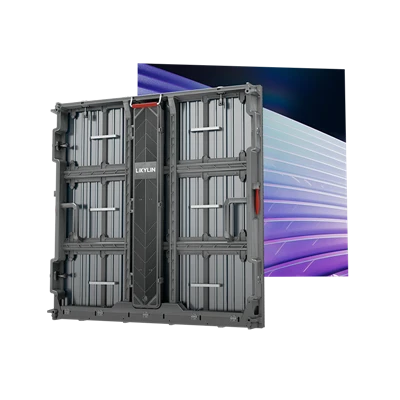
So, to wrap this up, an outdoor LED wall is a modular, weatherproof, super bright display built for outside use. It’s not an indoor screen dragged out, it’s purpose-built to handle sunlight, rain, wind, and whatever else the elements throw at it. It’s flexible for any size, portable or permanent, and works for everything from festivals to car dealerships to kid’s birthday parties. Yeah, it’s an investment, but it’s one that pays off in durability, reliability, and impact—no more faded images mid-day, no more dead screens from rain, no more straining to see from the back.
Outdoor LED Screen If you’re thinking about getting one for your business, event, or whatever, hit me up to chat about it. I don’t do pushy sales stuff—just tell me what you need, how big your space is, what you want to display, and I’ll hook you up with the right options, whether it’s a rental for one event or a permanent install. No hidden fees, no confusing jargon, just honest advice.
References
- National Association of Broadcasters. (2022). Outdoor LED Display Best Practices for Weather Resistance. NAB Engineering Handbook.
- DisplaySearch. (2021). Global Outdoor LED Display Market Trends and Technical Specifications. Display Industry Report.
- International Electrotechnical Commission. (2020). IP Rating Standards for Electronic Display Enclosures. IEC 60529.
- Event Tech Association. (2023). Portable Outdoor Displays for Temporary Event Production. Event Pro’s Guide to AV Equipment.
LiKYLIN (Chongqing) Intelligent Technology Co., Ltd.
As one of the most professional outdoor led display manufacturers and suppliers in China, we’re featured by quality products and low price. Please rest assured to wholesale advanced outdoor led display in stock here and get free sample from our factory. We also accept customized orders.
Address: Building 1, No.57, Jinfu Blvd, Gu’nan Street, Qijiang District, Chongqing, China
E-mail: marketing@likylin-led.com
WebSite: https://www.cqlikylinled.com/
