Hey everyone, if you’ve ever shopped for building materials—whether you’re a contractor, a DIY homeowner, or just someone fixing up a space—you’ve probably stumbled across “exterior grade particle board” and thought, “Wait, is this just the regular stuff I used for my garage shelves, but for outside? Nah, there’s way more to it than that. As a particle board supplier, I get asked about this specific type of panel all the time, and I’m here to break it down like I would to a regular guy grabbing materials for a backyard deck or a small commercial job. No stuffy textbook jargon, just the real deal about what makes exterior grade particle board different, why it matters, and when you actually should use it (instead of grabbing the cheaper indoor stuff by mistake). Particle Board
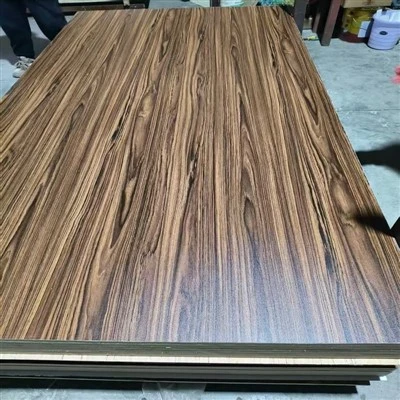
First off, let’s start with the basics: what even is particle board in general? For anyone who’s new, regular particle board is made from tiny wood particles—shavings, sawdust, offcuts from lumber mills, even recycled wood waste—mixed with a synthetic binder (usually resin) and pressed super hard at high heat. It’s cheap, super versatile, and way lighter than solid wood or plywood, which is why it’s everywhere from kitchen cabinets to bookshelves. But here’s the big problem with regular particle board: it soaks up water like a sponge. Leave it out in the rain for a week, and it’ll swell, warp, turn mushy, and basically fall apart. That’s why you can’t just take the $10 a sheet stuff from the hardware store and stick it on an outdoor fence or a patio cover—unless you want to replace it next year.
Enter exterior grade particle board. This isn’t just regular particle board with a fancy paint job (I see that trick sometimes, don’t get me started). The biggest difference is the binder and the sealing process. Regular particle board uses urea-formaldehyde resin, which is cheap, strong for indoor use, and… not great when it gets wet. Exterior grade uses a water-resistant resin, usually phenol-formaldehyde (PF) or a newer blend of melamine-urea-formaldehyde (MUF) that’s designed to fight moisture. But it’s not just the binder—there’s a whole extra step when manufacturing that makes it actual exterior grade, not just regular stuff marketed for outside. Most suppliers like us also add a coat or two of water-repellent sealant to the faces and edges of the panels before they leave the factory, right? Because even the best binder won’t stop water from seeping in if the edge is cut open and left exposed. That’s a huge point most people miss when they’re comparing specs.
Wait, but let’s get real—exterior grade doesn’t mean it’s bulletproof, okay? I don’t want to lie to you. It won’t last 50 years like pressure-treated lumber if you leave it submerged in a kiddie pool all summer. But it is designed to stand up to the elements: rain, snow, humidity, temperature swings, even direct sunlight for a few years without falling apart. Regular particle board? After a couple of heavy rains, it’s done. I’ve seen contractors grab the wrong stuff on a tight budget and regret it within months—no joke, a guy called me last month saying he used indoor particle board for his garden shed roof and had to replace it twice in one year because it swelled so bad it leaked. Save yourself the hassle and the cash upfront, trust me.
Now, let’s talk about when you actually should use exterior grade particle board, because it’s not for every outdoor project. Let’s list the common uses that make sense: small garden sheds, shed floors (as long as you seal the edges), outdoor planter boxes (the decorative kind, not holding soil that’s sitting in water), low-cost outdoor furniture frames (like picnic table bases, not the tabletop that gets heavy use), exterior wall sheathing for accessory dwelling units (ADUs) or small outbuildings, and even some temporary construction structures like scaffolding planks that only need to last a season or two. It’s also a great option for areas where termites or rot are a concern, because it’s way more affordable than solid cedar or pressure-treated wood, and still holds up to outdoor conditions.
But when should you skip it? If you’re building a permanent deck that gets used every day—go with solid wood or composite decking, those hold up way longer. If you’re making a patio table that’s going to be left in the sun and rain year-round, exterior grade particle board might warp over 5+ years. If you’re building something that will be submerged in water—like a pond edge or a dock—this is not the stuff for you, go with marine-grade plywood. And if you’re just making a bookshelf or a cabinet that stays inside, save the extra cost and get regular indoor particle board. That’s the sweet spot: use it for projects where it’s going to be exposed to weather but not constant heavy moisture or permanent water contact.
Now, let’s clear up some common myths, because I hear these all the time from customers. First myth: “Exterior grade particle board has no formaldehyde.” No, that’s not true. All wood-based panels have some formaldehyde, but exterior grade uses low-VOC (volatile organic compound) binders these days, especially for residential projects. We make our exterior panels with E0 or E1 grade resins, which meet strict safety standards—way lower than old urea-formaldehyde stuff. So if you’re worried about fumes, it’s way safer than it was 10 years ago. Second myth: “It’s as strong as plywood.” Nope, not even close. Plywood is made with thin wood veneers glued in layers, so it’s stronger, more durable, and less likely to split. Exterior grade particle board is great for lightweight, low-stress outdoor projects, but don’t use it for something that needs to hold heavy weight long-term, like a patio pergola beam. Third myth: “Any particle board can be turned into exterior grade with paint or sealant.” Sorry, that’s a DIY hack that almost never works. You can seal the edges of regular particle board, but the core of the panel is still porous and will absorb water if it gets damaged. Exterior grade is made from the start to resist moisture all the way through, not just the surface.
As a supplier, I also want to talk about quality control, because not all exterior grade particle board is the same. You’ll see different grades out there—some have a higher density core that’s more water-resistant, others are thinner and cheaper. Here at our shop, we test every batch we get for moisture content, right before it’s pressed, so we know it’s going to hold up when it’s on a job site. We also mark each panel clearly with “exterior grade” and the manufacturing code, so customers don’t accidentally grab the wrong stack. If you’re buying online or from a small lumber yard, make sure to ask for the product data sheet—any good supplier will have that, and it’ll tell you the resin type, density, and water resistance rating.
Now, let’s be real about the price. Exterior grade particle board is a little more expensive than regular indoor particle board—usually 15-25% more, depending on the size. But when you compare it to other outdoor building materials, it’s a steal. Pressure-treated lumber is pricier, solid cedar is way more, composite decking is double the cost. So if you’re on a tight budget but still want something that’s going to last more than a year, exterior grade particle board is the way to go. It’s also way easier to cut and shape than solid wood or plywood, so DIYers love it—no fancy tools needed, just a circular saw and some edge sealant for the cuts.
Wait, I’ve got a personal tip for anyone using this stuff, okay? When you cut exterior grade particle board for a project, the edges are the weakest spot. Even if the panel is rated for exterior use, a cut edge that’s not sealed will soak up water fast. So buy a can of waterproof polyurethane or epoxy sealant, and brush every edge of every cut panel before you install it. That extra step adds like 10 minutes of work, but it will double the life of your project. I’ve seen guys skip that and have their shed rot in 18 months, and guys who seal the edges have sheds that last 8+ years. Not worth skipping that step.
Also, let’s touch on sustainability, because that’s a big topic these days. A lot of exterior grade particle board is made from recycled wood waste—sawdust, offcuts, even old pallets that can’t be reused. We source our wood from local sawmills that use only sustainably harvested trees, so it’s way more eco-friendly than solid wood or plywood, which often uses whole trees. That’s a huge win for customers who want to build outdoor projects without breaking the planet.
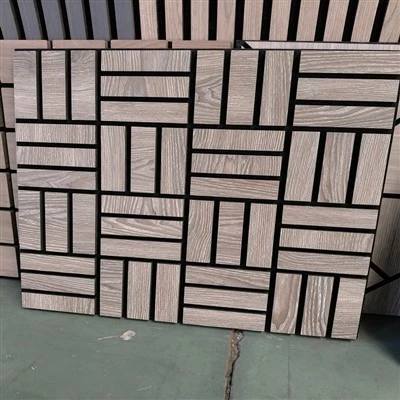
Now, if you’re someone who’s looking for exterior grade particle board for your next project—whether it’s a small garden shed, a set of outdoor planters, or a temporary construction structure—feel free to reach out. We stock multiple sizes and grades, so we can help you pick the right one for your job, and even give you tips on cutting and sealing it. No pressure, just honest advice from someone who’s been in the particle board business for years, and knows exactly what works (and what doesn’t) for outdoor projects. Don’t waste time and money on cheap indoor stuff that will fall apart in the rain—grab the right exterior grade panel, and your project will last way longer.
OSB Board References:
- Forest Products Laboratory. (2022). Wood-based panel products for exterior use. U.S. Department of Agriculture.
- American Wood Council. (2021). Standard specifications for exterior particleboard. AWCI Tech Note 10-02.
- Eurofin Scientific. (2020). Formaldehyde emission standards for wood-based panels: E0, E1, and E2 grades. European Wood Panel Association.
- Particle Board Industry Association. (2023). Manufacturing processes and quality control for exterior grade particleboard. PBIA Technical Bulletin 4.
Lisen Wood Industrial Shouguang Co., Ltd.
Lisen Wood Industrial Shouguang Co., Ltd. is one of the most professional particle board manufacturers and suppliers in China, featured by quality products and low price. Please rest assured to buy discount particle board from our factory. Welcome to contact us for quotation and free sample.
Address: Nongsheng road, shouguang,shandong province, china
E-mail: lucia@lisenboard.com
WebSite: https://www.sglswood.com/
