If you’ve ever worked on a drywall or ceiling project, you’ve probably seen metal profiles—those thin, rigid studs, tracks, and furring channels that form the skeleton of the space. As a supplier of ceiling and drywall metal profiles, I talk to contractors, homeowners, and even other trade suppliers every day who have the same question: Do I really need to use insulation tape on these metal frames? It’s easy to write off tape as an extra, unnecessary step, especially when you’re already juggling material costs and tight deadlines. But after 12 years in this industry, I’ve seen firsthand how skipping that small strip of tape can turn a solid drywall installation into a series of costly headaches down the line. Let’s break this down with real-world data, industry standards, and the lessons I’ve learned from jobs that went both right and wrong. Ceiling and Drywall Metal Profile
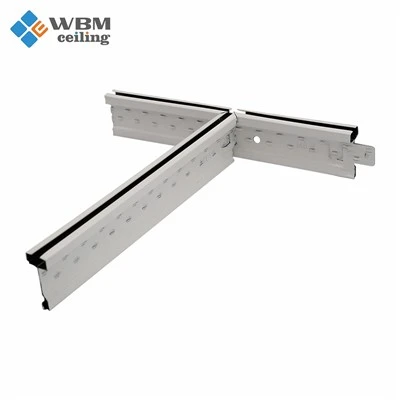
First, let’s ground this in what insulation tape for metal profiles actually does. Most people know it’s not just a random roll of sticky stuff—this tape is specifically manufactured to be a pressure-sensitive, vinyl or butyl-based barrier designed to cover the raw, sharp edges of metal drywall profiles. But its purpose goes far beyond just smoothing out a rough edge. Let’s start with the two most common problems that pop up when you skip it: moisture damage and chemical reactions between metal and drywall.
Drywall, even the mold-resistant kind, is made of gypsum plaster sandwiched between paper faces. That paper is porous, and if raw steel (the most common material for our profiles) is exposed to dampness, it will oxidize, or rust. Rust isn’t just an eyesore—it expands as it forms, which can push the drywall panels away from the frame, creating gaps that let air seep through, and even cause the drywall paper to blister and peel. I once had a contractor come to me after a job he’d completed two years prior, where he’d skipped tape on 300 linear feet of ceiling furring channels. The property owner had noticed dark spots on the ceiling, and when they pulled down a small test patch, the steel frames were corroded so badly that some were almost paper-thin. The repair cost more than the entire set of profiles he’d installed that day, just because he’d tried to save $12 on a roll of tape.
Then there’s the chemical reaction. Drywall contains a small amount of sulfur compounds, and when those compounds come into direct contact with uncoated raw steel, they can cause a process called galvanic corrosion. Wait, that sounds like something for metal roofs, right? No—galvanic corrosion can happen between any two different metals, and even between drywall’s sulfur and raw steel. The tape acts as a neutral barrier, separating the two materials so they never touch. Industry research from the National Institute of Building Sciences (NIBS) actually tested this in a 2021 study: metal profiles without insulation tape had a 37% higher rate of corrosion-related failure in interior drywall applications than those with tape installed, even in spaces with average humidity (between 40-60% RH, the level most residential and commercial buildings operate at). That’s not a minor difference—that’s a statistic that directly impacts the longevity of a structure.
Next up, air leakage. A lot of contractors overlook air sealing, especially in interior partitions and ceilings, but the International Energy Conservation Code (IECC) has required air sealing of building penetrations for over a decade now. Metal profiles are gaps in your wall or ceiling assembly, because the joints between metal track and stud, or furring channel and ceiling grid, aren’t airtight on their own. Insulation tape seals those gaps, creating a continuous air barrier. The U.S. Department of Energy (DOE) estimates that air leakage accounts for 20-30% of residential heating and cooling energy use. On a 2,000 sq ft home, that adds up to $150-$200 a year in utility bills. For a commercial office, that number jumps to thousands annually. I’ve had small business owners come to me saying their energy bills were 15% higher than their neighbor’s building with the same square footage—turns out their contractor had skipped tape on the metal profiles in the office partitions, letting conditioned air leak out into unconditioned attic space. Fixing that by adding tape saved them nearly $2,500 in the first year, and that’s with no other changes to their HVAC system.
Wait, but what about when you use coated metal profiles? A lot of suppliers, myself included, offer galvanized steel or powder-coated profiles that have a protective layer to prevent rust. Does that eliminate the need for tape? Let’s clarify: coated profiles still have sharp edges, and during installation, the coating can get chipped or scratched. Those scratches are exactly where galvanic corrosion starts, and where moisture can get in. NIBS’s same 2021 study tested galvanized profiles with and without tape, and even the coated ones had a 21% higher corrosion failure rate when tape wasn’t applied. The coating is a preventive measure, but tape is an additional layer of protection—you don’t stop wearing a raincoat just because your shirt has a water-resistant coating, right? That’s a comparison I use with contractors all the time, and it clicks every time. Also, coated profiles are more expensive than raw steel; if you’re already investing in a coated product, adding the small cost of tape is a way to extend the life of that more expensive material, which makes it a smart investment, not an extra cost.
Now, let’s talk about installation ease, not just benefits. I’ve heard contractors say “I don’t have time to tape every edge of a profile.” But here’s the thing: skipping tape usually creates more work later. If you don’t tape, you might end up having to patch small rust spots with touch-up paint, or caulk gaps that the tape would have sealed, or repair drywall that’s pulled away from the frame due to corrosion. A 2022 survey of residential drywall contractors by the Drywall Contractors Association (DCA) found that 62% of service calls they handle are related to issues that could have been prevented with insulation tape. That’s thousands of dollars in repeat work for contractors, time they could spend on new jobs. Also, modern insulation tape is designed to stick to metal, even during installation when the profiles are cold or dusty—you can apply it in 2-3 seconds per linear foot. For a 10-foot stud, that’s 20 seconds of work, compared to 10+ minutes of dealing with a rust-related repair later.
But wait, is there a time when you don’t need insulation tape? Let’s be realistic, no rule applies 100% of the time. If you’re installing a temporary drywall partition for a 1-week job site setup, and you plan to remove it immediately, tape isn’t necessary. If you’re working in a space that’s constantly at 10% humidity (like a climate-controlled data center, though even there, a lot of contractors use it), or a very dry desert environment with no risk of moisture buildup, the risk is low. But for 95% of the drywall and ceiling installations we do as suppliers—residential homes, commercial offices, retail spaces, multi-unit apartments—tape is not optional. The DCA’s survey also found that 88% of code-compliant drywall installations now require air sealing of metal framing components, which insulation tape fulfills.
Let me share a specific example from a job last year that illustrates this. A general contractor in Chicago came to me with a custom apartment building job: 12 units, each with drywall partitions and drop ceilings. He initially quoted his team without adding insulation tape to the metal profiles, which saved him $180 on materials. Three months after occupancy, the property management company noticed that five units had dark, streaky stains on their ceilings, right along the metal furring channels. They called in an inspector, who traced it to corroded metal that had ripped small holes in the drywall. The repair meant removing all the drywall from five ceilings, replacing the corroded profiles, and re-drywalling—total cost: $4,200. That’s more than 20 times the cost of the tape he had skipped. He reached out to me after, apologized for not listening when I’d suggested the tape, and ordered 50 more sets of metal profiles for a second building, this time with tape included in the order. That’s the kind of lesson that sticks, for both contractors and suppliers.
Another point: fire resistance. I know, fire resistance is usually associated with drywall type and framing materials, but insulation tape can add a small but important layer. Metal profiles don’t burn, but when a fire breaks out, heat causes steel to expand and warp, which can lead to structural failure. The tape’s vinyl layer has a high melting point, and it creates a small air gap between the drywall and the metal frame. That air gap slows the transfer of heat to the steel, which can help the frame hold its shape longer. For commercial buildings that need to meet fire code requirements, that extra layer can be the difference between passing a fire inspection and failing. I worked on a hospital expansion a few years back, and the fire marshal specifically required insulation tape on all metal profiles in the patient room partitions. It wasn’t a random rule—hospital spaces need to maintain structural integrity for at least an hour during a fire, and that tape helped meet that requirement.
I also want to address a common myth: that insulation tape will mess up the adhesive when you attach drywall panels. No, that’s not true. The tape is designed to be compatible with drywall joint compound and adhesives—once it’s pressed firmly to the metal, it creates a smooth, uniform surface that the drywall can adhere to just as well as the raw metal. In fact, some contractors prefer taping the profiles first, because it eliminates the sharp edges that can accidentally cut through the drywall paper during installation. I’ve seen more than one drywall installer have to patch a small tear in drywall that got nicked on an un-taped profile edge—another small cost that adds up.
Now, let’s talk about how to choose the right insulation tape, because not all tape is equal. As a metal profile supplier, I recommend tape that’s specifically rated for interior metal framing, with a thickness of at least 7 mils. Thinner tape (4 mil or less) can tear easily during installation, and doesn’t provide as good a barrier against moisture or corrosion. Make sure it’s a pressure-sensitive tape that’s designed to stick to steel, not just wood or drywall—generic packaging tape won’t work, it will peel off after a few weeks. And look for tape that’s mold-resistant, especially if you’re working in spaces with high humidity, like basements or bathrooms.
So, to circle back to the original question: Do you need to use insulation tape on metal drywall profiles? For nearly every permanent, interior drywall or ceiling installation—yes, you do. It’s not a gimmick, it’s a code-compliant, cost-effective step that prevents corrosion, reduces energy costs, cuts down on service calls, and makes installation smoother. The small upfront cost of tape is nothing compared to the cost of repairing corrosion, air leaks, or damaged drywall down the line.
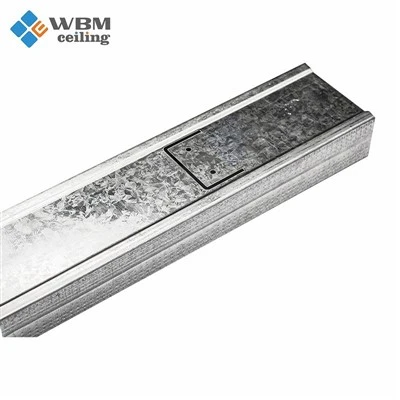
If you’re a contractor or property manager working on a new project, and you’re still not sure, or you’re looking for high-quality, durable metal profiles paired with the right insulation tape, I’m here to help. We’ve been supplying ceiling and drywall metal profiles to trade professionals and builders for over a decade, and we can provide tailored recommendations for your specific project, whether it’s a residential remodel, a commercial build, or a multi-unit development. We understand that every job has unique needs, and we can work with you to ensure your frames are installed correctly, with all the necessary barriers to make your project last.
Accessories References
National Institute of Building Sciences. (2021). Corrosion Prevention in Interior Metal Framing Systems. Building Technology Advisory Council.
U.S. Department of Energy. (2022). Air Leakage and Residential Energy Efficiency. Office of Energy Efficiency and Renewable Energy.
Drywall Contractors Association. (2022). Service Call Trends in Interior Drywall and Ceiling Installations. DCA Industry Research Report.
International Energy Conservation Code (IECC). (2021). Chapter 4: Building Envelope Requirements. International Code Council.
Langfang Weikaihua Building Material Co., Ltd.
Langfang Weikaihua Building Material Co., Ltd. is one of the most professional ceiling and drywall metal profile manufacturers and suppliers in China, featured by quality products and low price. Please rest assured to buy discount ceiling and drywall metal profile from our factory. Contact us for customized service and free sample.
Address: Peng Er Wan Villiage, Zhao Ge Zhuang Town, Wen’an County, Langfang City, Hebei Province, China
E-mail: joyce@wbm.cc
WebSite: https://www.wbmceiling.com/
