If you’ve ever walked into a rubber processing plant, you know that the machines running the show aren’t just metal boxes—they’re the backbone of everything from car tires to industrial hoses. As someone who’s spent the last 12 years selling rubber machinery, I’ve seen a lot of old, beat-up models still chugging along, and I’ve helped hundreds of plants upgrade to modern setups. Let me tell you, the difference isn’t just “a little better”—it’s night and day. If you’re still on the fence about pulling the trigger on new gear, stick around because I’m breaking down exactly why modern rubber machinery beats older models, no corporate jargon included. Rubber Machinery Industry
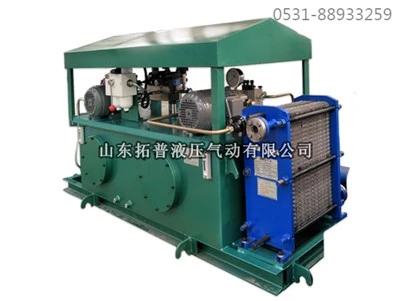
First off, let’s talk about the big one: consistency. Old rubber machines were basically glorified Rube Goldberg contraptions—they had big, clunky parts, no real way to adjust things on the fly, and if a valve stuck or a heater glitched, you’d get a whole batch of rubber that was either too soft, too hard, or lumpy in spots. I remember a customer in Ohio who had a 1980s-era mixing mill that would spit out 10% of their rubber compound as scrap every single shift. They tried tightening belts, replacing rollers, even greasing everything twice a week, but nothing fixed it. When they upgraded to our modern internal mixer with integrated process monitoring, that scrap rate dropped to less than 0.5% within the first month. Here’s why: modern machines use built-in sensors that track temperature, pressure, and mixing time every single second, not just when some operator walks by to check a gauge. If something drifts even a little—say, the heating element runs 2 degrees too hot—the system adjusts it automatically before the rubber gets ruined. No more guessing, no more wasted materials. That kind of consistency is huge for plants that make parts with strict tolerances, like medical rubber seals or aircraft hoses—one bad batch can shut down an entire production line.
Next up, safety. I don’t care how tough you are, old rubber machines are dangerous. I’ve heard stories of operators getting their hands caught in unguarded calenders because someone forgot to turn off the power before adjusting the feed. Older models had basic emergency stops that were often worn out, no lockout-tagout systems, and ventilation that was basically a hole in the wall—so you’re breathing in fumes all day long. Modern rubber machines? They’re built with safety as a non-negotiable, not an afterthought. For example, the mixing mills we sell have full light curtains that stop the machine the second anything breaks the beam—way more reliable than a manual guard. They also have enclosed ventilation systems that capture 95% of the chemical fumes and rubber dust, so operators aren’t going home with a headache every night. Plus, modern machines come with built-in lockout-tagout ports that make it almost impossible for someone to turn the machine on while maintenance is being done. Last year, a customer in Texas told me their workers now feel safe running the machines instead of worrying about getting injured. That’s not just a nice perk—it means less workers’ comp claims, fewer missed shifts, and a happier, more productive team.
Then there’s uptime. Let’s be real, if a machine is down, you’re not making money. Old rubber machines break all the time, and when they do, parts are impossible to find. A lot of those 70s and 80s models use custom or obsolete parts—you might have to wait weeks for a replacement roller, and it could cost twice as much as a part for a modern machine. I had a customer in Michigan a couple years back whose 1975 curing press broke a hydraulic seal. The old seal wasn’t made anymore, so the mechanic had to machine a custom one from scratch, which took three days. During that time, the plant lost $40,000 in production because they couldn’t make their tire inner tubes. Modern machines, on the other hand, use standard, off-the-shelf parts that are easy to order and way cheaper. Plus, they have built-in diagnostic systems that tell you exactly what’s wrong before a part even breaks. It’s like having a mechanic standing right next to the machine 24/7—if the vibration sensor picks up that a bearing is wearing thin, it sends an alert to your phone so you can replace it during a scheduled shift, not in the middle of a run. Uptime for modern machines? Most of our customers see 90% or higher, compared to 75% or less with old models. That adds up to thousands of dollars in extra production every month.
Wait, let’s not forget about energy costs. Older rubber machines are energy hogs. They use outdated heating systems, inefficient motors, and they’re always wasting power because they have to heat up a huge mass of metal just to get the rubber to the right temperature. I worked with a plant in Illinois that was spending $120,000 a year on electricity for their old curing presses. When they upgraded to our modern presses with variable frequency drives and precise heating controls, that number dropped to $72,000. That’s a $48,000 annual save—just for energy. Modern machines only use as much power as they need, not the full blast all day. The variable frequency drives adjust the motor speed based on what the machine is doing, so when it’s idling, it’s not burning unnecessary power. And the heating systems? They use induction heating or electric heating elements that are way more efficient than the old steam or gas systems that leaked heat all over the floor. If your plant runs 24/7, those energy savings add up fast—enough to cover a big chunk of the cost of a new machine in just a couple years.
Another big one: flexibility. Old rubber machines are one-trick ponies. If you had a machine built for making car tires, you could maybe mess around with it to make small hoses, but it was never good. Modern machines are built to handle multiple products, which is huge if your plant works on different jobs or has to switch up production based on demand. Let’s say you get an order for a batch of rubber gaskets, and the next week you need to make a run of rubber mats for playgrounds. With an old machine, you’d have to take it apart, replace rollers, adjust all the settings, and it might take a whole day to switch over—plus you’d probably waste a lot of rubber in the process. Modern machines have touchscreen controls that let you save different recipe settings for different products with one tap. Switching between runs takes 15 minutes max, and you barely waste any rubber. I had a customer in California who makes custom rubber parts for all kinds of industries—automotive, construction, even sporting goods. They used to have to keep three separate old machines just to handle different product lines. Now they have two modern machines that can do everything, and they saved a ton on floor space, too. That flexibility means you can take on more jobs, adjust to market changes faster, and don’t have to invest in a bunch of extra gear.
Oh, and let’s talk about operator experience, because that’s a big part of the whole picture. Old machines require a lot of manual work. Operators have to climb around to adjust valves, write down all the settings by hand, and check every batch to make sure it’s right. Modern machines have easy-to-use touchscreen interfaces that walk operators through each step. They don’t need to have 20 years of experience to run a machine—they just follow the on-screen prompts. That’s game-changing for plants that struggle to find skilled operators. A lot of young people don’t want to work with clunky, dangerous old machines, but they’re way more willing to learn on a modern machine that has a clean, digital interface. I had a customer in Georgia who told me that since they upgraded to modern machines, they haven’t had to hire a single senior operator in two years—new hires can be fully productive in two weeks, not two months. That cuts down on training costs and reduces downtime from inexperienced workers.
I know what some of you are thinking: “New machines are expensive. Why bother when my old one still works?” Yeah, upfront costs are higher, but when you add up all the savings—less scrap, lower energy bills, less downtime, fewer workers’ comp claims—modern machines pay for themselves in 3 to 5 years, sometimes even faster. And let’s be real, old machines have a way of dying at the worst possible time. I’ve seen plants go bankrupt because a $1,000 part for an old machine cost them $50,000 in lost production waiting for it to arrive. Modern machines are built to last, too—we’ve got customers who’ve had our machines for 15 years and they’re still running better than the old ones they replaced.
At the end of the day, rubber processing is all about turning raw material into a consistent, high-quality product that customers can rely on. Old machines used to get the job done, but they’re holding plants back from being profitable, safe, and competitive. If you’re tired of scrap piles piling up, machines breaking at 2 a.m., and operators complaining about unsafe working conditions, it might be time to upgrade.
If you want to chat more about how modern rubber machinery can work for your specific operation—whether you make tires, hoses, seals, or anything in between—feel free to reach out. We can walk through your current setup, show you how much you could save, and answer any questions you have, no sales pitch required.
Casting Industry References
- Rubber Machinery Manufacturers Association. (2022). Modernization Trends in Global Rubber Processing Equipment.
- Occupational Safety and Health Administration (OSHA). (2021). Safety Standards for Industrial Rubber Processing Machinery.
- International Rubber Study Group. (2023). Energy Efficiency Improvements in Rubber Manufacturing Equipment.
- American Society of Mechanical Engineers (ASME). (2020). Performance Metrics for Modern Rubber Mixing and Curing Systems.
Shandong Huate Tuojiang Intelligent Equipment Co., Ltd.
As one of the leading manufacturers and suppliers of rubber machinery industry system in China, we’re featured by quality products and good price. Please rest assured to buy advanced rubber machinery industry system for sale here from our factory. Welcome to view our website for more information.
Address: Sino-German Cooperation Industrial Park, Licheng District, Jinan City, Shandong Province
E-mail: sdhttj01@163.com
WebSite: https://www.httjznzb.com/
