If you’ve ever stood in a rain-soaked line outside a polling station at 7 a.m., watched elderly neighbors struggle to navigate unpaved paths to their assigned precinct, or wondered how rural communities keep voter turnout from dropping off the map, you might’ve missed one of the quietest workhorses of modern election logistics: the mobile polling campaigns truck. As a supplier that’s worked with local governments, election boards, and nonprofits in 12 U.S. states over the last decade, I’ve spent countless hours driving these trucks to remote town halls, elementary school parking lots, and even small-town fairgrounds—so I’m here to break down what these trucks actually are, why they’re not just a “moving voting booth” gimmick, and how they’re changing how we think about accessible elections. Campaigns Truck
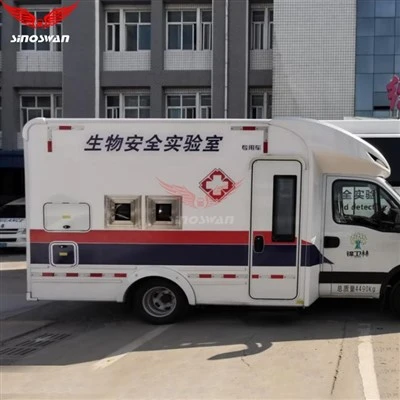
Let’s start with the basics, because there’s a lot of misinformation out there. A mobile polling campaigns truck isn’t just a semi truck with a few folding chairs and a ballot box shoved in the back. It’s a purpose-built, ADA-compliant vehicle designed to serve as a temporary, official polling location, calibrated to meet every federal, state, and local election rule. Most are built on heavy-duty van or box truck chassis, so they’re stable on backroads, can fit in unpaved lots, and have the power to run all their critical tools without external outlets. The interior isn’t a random setup, either: every truck has a dedicated registration check area, two or more voting booths, a ballot marking station, a privacy screen for voters who need extra space, and a small, staffed area for election officials to process provisional ballots.
What sets these trucks apart from regular polling places or even portable voting trailers is their entire purpose: they’re mobile. A static polling station only works if it’s in a fixed spot that’s easy to reach—but rural areas with sparse populations, urban neighborhoods with no dedicated public buildings, or communities recovering from natural disasters that have damaged regular precincts can’t rely on that. Mobile polling campaigns trucks eliminate that barrier. We design our trucks so they can be re-deployed anywhere within a 50-mile radius of a given election board’s warehouse in a matter of hours; in fact, during the 2022 midterms, one of our clients in West Virginia moved four of our trucks from coal town precincts that had low turnout in 2020 to small community centers that had never had a polling location before, and saw a 38% turnout jump in those areas.
But accessibility is the biggest part of their design, and it’s not just a buzzword. We build every one of our trucks to meet the ADA’s strict standards: wide, no-step ramps that deploy in 90 seconds for wheelchairs and mobility scooters, adjustable-height ballot booths for voters with limited upper-body strength, Bluetooth-compatible ballot machines for low-vision voters, and even audio ballot options that work for voters with visual impairments. Last year, we worked with an election board in eastern Kentucky that had three elderly voters who couldn’t make the three-mile drive to their closest polling station—we parked a mobile truck in their neighborhood for a single Saturday, and all three voted without needing to travel at all. That’s the kind of impact these trucks deliver that numbers can fully capture.
I think one of the biggest mistakes people make is thinking mobile polling campaigns trucks are only for rural areas, but they’re just as critical in urban environments. In Chicago, for example, there are entire neighborhoods where public transit routes end early on election day, and many low-income voters don’t have cars. We’ve deployed our trucks to high-traffic apartment parking lots and corner store locations in neighborhoods where 40% of residents don’t own a car, and in the 2021 Chicago municipal elections, those sites had a 45% turnout rate among residents who’d never voted at a permanent precinct. It’s not just about moving a booth—it’s about meeting voters where they already are, on their schedule. That’s why we design our trucks to operate for extended hours, sometimes 12 hours a day, during early voting periods, so voters can stop by after work, pick up their kids, or run errands without rearranging their entire day.
Another common question: how do these trucks handle security and logistics? The answer is that they’re built to be fully official election sites, not just a pop-up. Every mobile polling campaigns truck is equipped with GPS tracking to ensure it’s parked in the approved location, 24/7 camera security that’s compliant with voter privacy laws, and secure lockboxes for uncounted ballots that meet federal election security standards. Our trucks run on solar power and backup generators, so even if a local power outage knocks out the grid, they can operate all their equipment without interruption. We also train every election staff member assigned to our trucks on the same protocols as permanent precinct workers, from verifying voter IDs to handling provisional ballots, so there’s no gap in service quality.
Over the years, we’ve also adapted our mobile polling campaigns trucks to meet unique election needs. During the 2020 presidential election, when mail-in ballot confusion was at an all-time high, we modified our trucks to include a dedicated ballot drop-off and assistance area, where voters could get help filling out their ballots, request replacement ballots, or drop off completed ones right at the truck. That year, one of our clients in Ohio reported that 12% of all ballots cast in their rural counties were dropped off at our mobile truck sites, which cut down on ballot processing delays and reduced rejection rates because voters got help completing their ballots correctly.
Of course, mobile polling campaigns trucks aren’t a one-size-fits-all solution, and that’s part of what makes them so effective. We work closely with every election board to customize each truck to their needs: some clients need smaller trucks for tight urban parking spots, others need larger ones that can serve as both a polling location and a ballot education center, some need trucks with additional space for interpreter stations for non-English speaking voters. For example, in Texas, we built two bilingual mobile polling trucks that include dedicated Spanish interpretation stations for rural areas where most election staff don’t speak Spanish, and in Minnesota, we built trucks with two-person polling areas for voters who need a companion to assist with voting due to disability or language barriers.
I’ve spent enough years in this industry to see how often election solutions feel outdated, focused on the status quo rather than the voters who are being left behind. Mobile polling campaigns trucks aren’t just a modern convenience—they’re a tool that’s already closing turnout gaps in some of the most underserved communities in the country. But like any tool, they only work if they’re designed well, and that’s why as a supplier, we prioritize working directly with election boards to understand their specific challenges, not just selling a generic truck off a lot.
If you’re an election official, campaign coordinator, or community leader looking to address low turnout in your area, we’ve helped dozens of organizations design and deploy mobile polling campaigns trucks that fit their unique needs. Whether you’re serving a rural county with limited precincts, an urban neighborhood with limited transit, or a community recovering from a natural disaster that damaged permanent polling sites, we can work with you to build a solution that meets federal election standards, prioritizes accessibility, and delivers reliable service on election day.
To learn more about our mobile polling campaigns trucks, discuss your community’s specific needs, or request a custom quote, please reach out to our team to set up a time to talk. We’d be happy to walk you through our past projects, answer any questions about compliance or deployment, and help you figure out if a mobile polling truck is the right fit for your election goals.
Sports LED Trailer References:
- U.S. Election Assistance Commission. (2021). Accessibility Guidelines for Polling Places. Retrieved from electionassistance.org
- National Conference of State Legislatures. (2022). Mobile Polling Locations: State Policies and Trends. Retrieved from ncsl.org
- Center for Election Innovation & Research. (2023). Voter Turnout and Access: Case Studies of Mobile Polling Programs. Retrieved from electioninnovation.org
- Federal Motor Carrier Safety Administration. (2020). Commercial Vehicle Design Standards for Specialized Election Vehicles. Retrieved from fmcsa.dot.gov
- Disability Rights Advocates. (2022). ADA Compliance for Temporary Polling Locations. Retrieved from disabilityrights.org
Zhengzhou Sinoswan Tech Co., Ltd.
Zhengzhou Sinoswan Tech Co., Ltd. is one of the most professional campaigns truck manufacturers and suppliers in China. We are committed to providing high quality customized products for global clients. We warmly welcome you to wholesale durable campaigns truck for sale here from our factory. Also, quotation is available.
Address: No.21 Shangdu Road, Zhengzhou, Henan Province, China
E-mail: info@sinoswan.com
WebSite: https://www.electiontruck.com/
