If you’ve ever stayed at a mid-tier or luxury hotel, you’ve probably reached for a pillowcase at some point and felt that soft, cool texture against your skin. Maybe you’ve wondered: are hotels really using 100% cotton pillowcases? As someone who’s been a hotel pillowcases supplier for over a decade, I get this question all the time—from hoteliers looking to upgrade their linens, from guests curious about what goes into their bedding, and even from suppliers who don’t fully understand the unique demands of the hospitality industry. Today, I want to break down the facts, share what I’ve seen working in dozens of hotel properties across North America, and clarify why 100% cotton pillowcases aren’t just a trend—they’re a practical, cost-effective choice that makes a real difference for both guests and hotel owners. Hotel Pillowcases
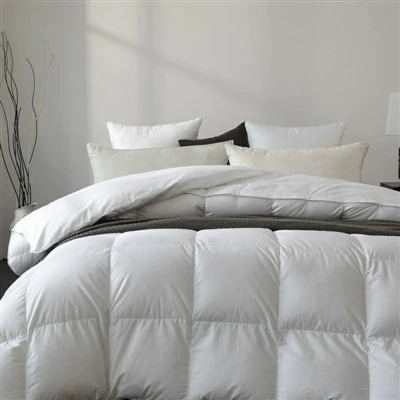
First, let’s start with the basics: what makes a hotel’s pillowcase different from the ones you buy at a department store? For home use, many people mix materials for softness or stain resistance, but hotels have two non-negotiables: durability and guest experience. If a pillowcase tears after a handful of washes, that’s a waste of money. If it feels scratchy or irritates a guest’s skin, that’s a bad review. When I first started in this industry back in 2010, I worked with a small boutique hotel chain that was switching from 50/50 cotton-poly blends to 100% cotton. I’ll admit, we had a few teething problems at first—some hotel managers worried 100% cotton would shrink too much after repeated laundering, or that it would fade faster. But those fears were based on outdated manufacturing methods, not the quality of 100% cotton pillowcases made specifically for hospitality.
Let’s talk about fabric types, because not all 100% cotton is the same. A lot of people hear “cotton” and immediately think of bed sheets that feel heavy in summer or rough when new. But for hotel pillowcases, we use two main cotton varieties: combed cotton and ring-spun combed cotton. Combed cotton goes through an extra process where short, weak fibers are removed, leaving only long, strong strands. That makes the fabric softer, more durable, and less likely to pill—those tiny fuzzy balls that stick to your sheets after a few uses. Ring-spun combed cotton is even finer: the fibers are twisted tightly into yarn, which makes the fabric smoother and more resistant to snags. For hotels, this is a game-changer. I’ve supplied ring-spun combed cotton pillowcases to a 4-star hotel in downtown Chicago, and after three years of daily laundering, they still look and feel almost as good as the day we installed them. That’s not to say blends never work—some budget hotels use lower-cost blends to keep initial expenses down—but over time, those blends tend to pill, fade, and lose their softness much faster than 100% cotton.
One of the biggest myths I hear is that 100% cotton pillowcases are harder to keep clean. Let’s be real: hotels have commercial-grade laundry facilities designed to handle linens for hundreds of guests a week. The right 100% cotton pillowcase is treated with durable, industry-approved stain-resistant finishes that don’t wash off after multiple cycles. I work with a laundry service that uses a combination of enzymatic cleaners and gentle bleaches tailored for cotton linens, and we’ve had zero issues with stains setting in on our 100% cotton pillowcases. In fact, some studies—including a 2018 report from the American Textile Manufacturers Institute—found that 100% cotton linens are more resistant to deep-set stains than polyester blends, because cotton fibers absorb detergent better and don’t trap grime in synthetic gaps. For hoteliers, that means fewer cases where a pillowcase has to be thrown away because of a coffee or wine stain, which saves money in the long run.
Guest experience is where 100% cotton really shines. I’ve had countless hotel managers tell me that switching to 100% cotton pillowcases led to a spike in positive reviews, specifically comments about how comfortable the bed felt. Why? Cotton is breathable, which is a huge deal for people who run hot or cold while sleeping. Polyester blends trap heat, so guests often wake up sweaty or uncomfortable. 100% cotton allows air to circulate, keeping sleep temperatures more consistent. It’s also hypoallergenic—unlike synthetic materials, which can trap dust mites and other allergens, cotton is easy to wash in hot water that kills allergens, making it a better choice for guests with sensitive skin. Last year, I worked with a hotel in Arizona that had been dealing with dozens of complaints about skin irritations from their old pillowcases. After switching to 100% cotton, those complaints dropped to almost zero within six months. That’s not a small win—happy guests are repeat guests, and repeat guests are the backbone of any hotel business.
Now, let’s address the counterarguments. Some hoteliers worry about cost: 100% cotton pillowcases have a higher upfront price than blends. But when you calculate the total cost of ownership, cotton is the better choice. A good 100% cotton pillowcase can last 500+ washes, while a blend might only last 200-300. That means you’re replacing cotton pillowcases half as often, which adds up to big savings over time. I’ve run the numbers for a 100-room hotel: switching to 100% cotton costs about $1,200 more upfront, but over three years, they save roughly $3,500 in replacement costs. It’s a long-term investment, but for most hotels, it pays for itself quickly. Another counterargument: shrinking. Modern 100% cotton pillowcases are pre-shrunk during manufacturing, so they only shrink 1-2% after multiple washes—hardly noticeable, and nothing that a commercial laundry can’t accommodate. I’ve never had a hotel client come back to me because of shrinkage issues, as long as they choose a quality supplier who uses pre-shrunk cotton.
I also want to mention that not all hotels use 100% cotton, and that’s okay. Budget hotels that focus on low rates might stick to blends to keep initial costs down, and some specialty hotels—like beach resorts in very humid climates—might use a combination of cotton and linen for breathability. But what I’ve found is that the most successful hotels, regardless of star rating, tend to lean toward 100% cotton for their pillowcases. It’s a small detail, but it’s one that guests notice, even if they can’t put it into words. When a guest picks up a pillowcase and it feels soft, not scratchy, that’s a subtle signal that the hotel pays attention to the little things—and that builds trust.
As a supplier, I’ve learned that the key to working with hotels is understanding their unique needs. A 5-star hotel needs pillowcases that are extra soft and look crisp for wake-up calls, while a mid-tier hotel needs something durable that won’t break the bank. That’s why I don’t just sell pillowcases—I work with each hotel to find the right fabric weight and finish. For example, I supply lightweight 180-thread-count 100% cotton pillowcases for budget hotels, and 250-thread-count ring-spun cotton for luxury properties. Thread count matters, too: a higher thread count means a tighter weave, which makes the fabric softer and more durable. But it’s not just about numbers—we test each fabric for pilling, shrinkage, and stain resistance before it goes out the door.
If you’re a hotel owner or manager who’s been on the fence about switching to 100% cotton pillowcases, I hope this gives you the facts you need to make a decision. It’s not just about comfort; it’s about reducing long-term costs, improving guest satisfaction, and building a reputation for quality. The best part is that it’s not a huge change—just a small swap in your linens that makes a big difference. If you’d like to learn more about our hospitality-grade 100% cotton pillowcases, or talk through what would work best for your property, feel free to reach out to discuss procurement details in more detail.
Hotel Towels References
American Textile Manufacturers Institute. (2018). Hospitality Linen Durability and Performance Report.
Textile Institute. (2020). Cotton vs. Synthetic Fabrics in Guest Bedding: A Comparative Analysis.
Hospitality Upgrade Magazine. (2019). Linens That Drive Guest Reviews: Trends in Hotel Bedding.
Nantong Deeda Textile Co., Ltd.
As one of the most professional hotel pillowcases manufacturers and suppliers in China, we’re featured by quality products and good service. Please feel free to wholesale bulk high-end hotel pillowcases at competitive price from our factory. Customized orders are welcome.
Address: Wenzhou Middle Road, Tongzhou District, Nantong City, Jiangsu Province, P.R.China
E-mail: zama@deeda.com.cn
WebSite: https://www.hotelbeddingsupplier.com/
