If you’re like most DIYers or even a casual mechanic, the first time you slide a car jack under your ride, you’ve probably wondered: “Am I doing this right?” I get it—when your car’s sitting on gravel, and you’re juggling a jack, a lug wrench, and a mental checklist for oil changes or brake pads, it’s easy to skip the small stuff. But here’s the thing: damage to your car’s frame isn’t just an expensive repair—it’s avoidable, and that’s why I started this little side gig selling car jacks (I know, I know, selling tools and fixing mistakes before they happen? Makes sense, right?). Car Jack

Let’s cut to the chase: your car’s frame isn’t a thick steel blob. It’s engineered with specific jack points for a reason. If you’re a gearhead, you’ve probably seen that the frame has those notches, ribs, or little stamped dents along the undercarriage—those aren’t random. They’re designed to distribute the car’s weight evenly, so jacks don’t dent, bend, or crack the metal. I’ve seen way too many folks come to my shop (yes, we’re a small supplier, not a big box store) with a frame that’s all banged up because they just stuck the jack under the middle of the floor pan or a rusty spot. Not cool.
First up: let’s talk about finding the right jack point. This isn’t the time to wing it. Grab your car’s owner’s manual—yes, the dusty book in the glove box—and flip to the jacking instructions. Every make and model has its own, but most have markers on the frame (usually a small yellow or white paint dab, or a raised tab) for the front and rear jack points. For sedans, it’s typically just in front of the rear wheel well and just behind the front wheel well. For trucks or SUVs, you might have extra points, but still stick to the manual. Why? The frame’s side rails are the strongest parts, and those jack points are reinforced to handle the full weight of your car. Don’t use the differential, the oil pan, the fuel tank skid plate, or that random rusty chunk near the exhaust—those are all attached parts, not structural frame. I once had a guy bring in a Civic with a crumpled oil pan because he jacked it under the crossmember. Cost him way more than a new jack would have.
Next: matching your jack to the job. This is where my input as a supplier matters. If you’re lifting a 3,000 lb sedan, a 1.5 ton scissor jack might sound fine, but 1.5 tons is 3,000 lbs—wait, that’s just the sedan’s weight, right? No, most sedans weigh 3,500–4,000 lbs when full of gas and tools. So go for a 2 ton minimum, easy. If you’re lifting a truck or an SUV that’s 5,000 lbs, don’t cheap out on a 3 ton jack. Overloading a jack doesn’t just break the jack—it can collapse, and if it’s under a frame, that can crumple the side rail. Also, the jack’s pad size matters. A tiny, pointy jack pad is a no-go. It concentrates all the weight on a tiny spot, which is why frames get dented. That’s why most of the jacks I supply come with a wide, rubberized pad—spreads the weight over the whole jack point, no indentations. Pro tip: if your jack didn’t come with a pad, grab a cheap universal rubber one—worth the 10 bucks to save a $1,000 frame repair.
Now, the actual process—this is where mistakes happen. First, park on flat, solid ground. Not your sloped driveway, not soft grass, not gravel that’ll shift. If you’re on asphalt or concrete, that’s ideal. If you have to go on dirt, put a piece of plywood under the jack base for stability—prevents sinking, which makes the jack slip. Then, line the jack’s pad up dead-center on the jack point. Don’t angle it, don’t push it up a little to the side—dead-center. Once it’s lined up, crank the jack slowly, not all at once. As it touches the frame, stop and double-check the alignment. If it moved, lower it and adjust—don’t force it. Once it’s just lifting the car a little, give the frame a little nudge with your hand to make sure it’s seated properly. Never lift it more than you need—if you’re changing a tire, 6 inches is enough. Higher means more leverage, more chance of slipping, and more stress on the frame. Also: don’t ever get under the car while it’s only on the jack. That’s what jack stands are for. Set the stands on the designated stand points (again, manual will tell you—usually near the jack points, sometimes on the crossmembers) before crawling under. I’ve seen guys ignore that, and the jack slipped—thankfully no one was hurt, but the frame had a big bend.
Wait, what about if you’re using a different kind of jack? Like a floor jack for a garage? Same rule applies—find the jack point first, don’t set the pad on the floor pan. Floor jacks are heavier, so wrong spot means bigger damage. And if you’re using a quick jack (the kind that’s popular for off-roading), make sure you’re using the extension that lines up with the frame jack point, not the body mount. I’ve heard so many off-road horror stories where a quick jack bent the frame because someone used the wrong adapter.
Common mistakes I see all the time: First, using the bumper as a jack point. Bumpers are plastic or thin metal, attached with brackets—they’re not structural. Jacking under the front bumper will crumple the bracket and maybe even tear the frame’s front end. Second, jacking a unibody car in the middle. Unibody cars (most modern cars are unibody, not body-on-frame) have a continuous frame, but the middle floor pan is thin. Jacking there will make it cave in, and you’ll need a whole new floor pan. Third, not maintaining your jack. If your jack is rusty, has a bent arm, or the threads are stripped, it can wobble when lifting. That wobble will wear on the jack point and eventually cause the frame to fatigue and crack. If your jack’s old, maybe it’s time for a new one—no shame, I’ve been there with a 10 year old jack that started skipping threads.
Let’s talk specific frame types, too. Body-on-frame vehicles (trucks, old SUVs) have a clear separate frame, so their jack points are easy to spot along the side rails. Unibody vehicles (sedans, hatchbacks, most crossovers) have a hidden frame, so look for the raised seam along the bottom of the car—that’s the unibody’s structural rail, and the jack points are right next to it. Don’t go hunting for it too hard—just follow the manual. It’s there for a reason.
Another thing: when lowering the jack, do it slowly. If you crank the release valve too fast, the jack can drop suddenly, and the frame will slam against the ground or the axle, which can bend it. I once had a customer bring in a truck with a bent frame rail because he lowered the floor jack too hard onto the rear axle. Oops.
Now, why does this matter to you as a car owner? A bent frame isn’t just a cosmetic issue. It affects the alignment of your wheels, which leads to uneven tire wear, bad gas mileage, and even handling issues that can be dangerous. If you’re thinking about selling your car, a frame dent or bend will lower the value a ton—buyers will know something’s been messed with, even if it’s fixed. And let’s be real: no one wants to pay thousands of dollars for a frame repair when a proper jack and 10 minutes of checking the manual would have avoided it.
As a supplier, I don’t just sell jacks—I want people to use them right. That’s why I make all my jacks with clear instructions (not just a sticker on the box, but a little pamphlet that says “check your manual first”) and the right pad sizes. A lot of other suppliers cut corners on the pads, but I get calls every week from people saying my jacks didn’t damage their frame, while their old ones left dents. It’s not rocket science—just matching the tool to the job, and knowing where to put it.
If you’re in the market for a new jack, or you’re not sure if your current one is right for your car, feel free to reach out. I can help you pick the right size, the right type, and even walk you through the basics of finding your jack points. Don’t wait until you mess up your frame—catch it before it’s a costly repair.
So to wrap this up: find your manual, find the structural jack points, use a jack rated for at least your car’s weight, match the pad, lift slow, use jack stands, and never rush. That’s how you avoid frame damage, keep your car safe, and save yourself a ton of money.
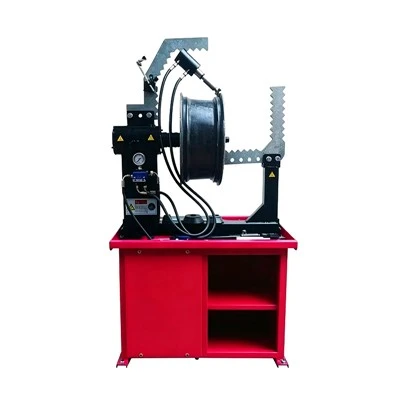
If you have questions about jack types, suitable sizes for your vehicle, or how to pick the right equipment for your needs, don’t hesitate to reach out for procurement discussions. Just follow the guidelines for your inquiries and we’ll get you sorted.
Car Jack References
- Automotive Service Excellence (ASE), “Proper Vehicle Jacking and Hoisting Procedures,” 2022
- Society of Automotive Engineers (SAE), “Structural Integrity of Vehicle Jack Points,” Technical Paper 2019-01-0578
- International Organization for Standardization (ISO), “Requirements for Vehicle Lifting Equipment,” ISO 10102:2021
Wuqiang County Youao Auto Maintenance Tools Co., Ltd.
As one of the most experienced car jack manufacturers and suppliers in China, we’re featured by quality products and good service. We warmly welcome you to wholesale advanced car jack in stock here and get quotation from our factory. We also accept customized orders.
Address: Pangtuan Village, Wuqiang County, Hengshui City, Hebei Province, China
E-mail: 13273316558@163.com
WebSite: https://www.youaotools.com/
