If you’ve ever pulled your favorite training wear out of the washing machine only to find it’s now a few sizes too tight, you’re not alone. As a training wear supplier who’s worked with athletes, gym regulars, and casual fitness enthusiasts for over a decade, I’ve fielded this exact question hundreds of times: Can training wear shrink in the wash? The short answer is yes—but not for the reasons you might think, and not every piece of training wear is built the same way. Let’s break this down with the kind of practical, science-backed insight I share with every customer who reaches out with sizing questions. Training Wear
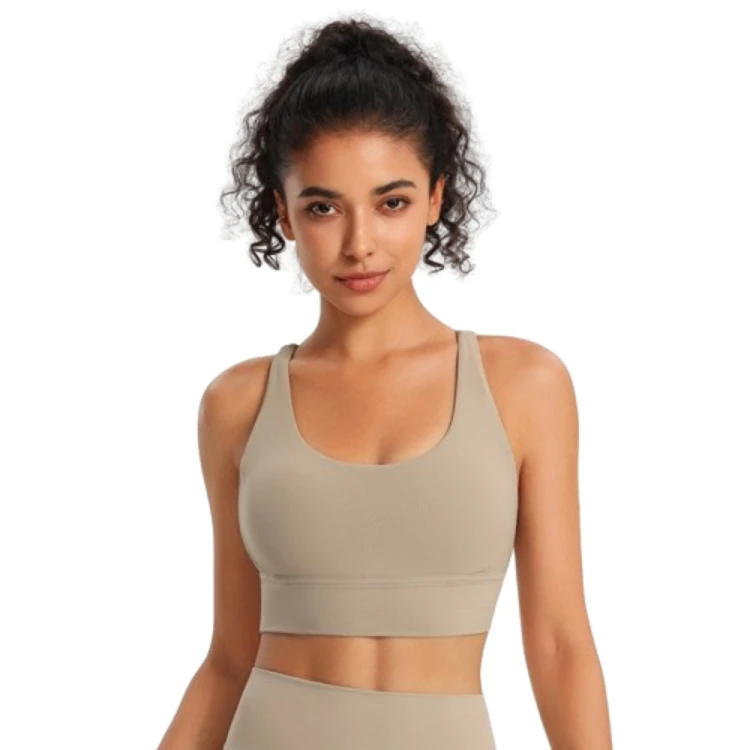
First, let’s start with how training wear is made. Most of the pieces we supply—from moisture-wicking compression leggings to lightweight workout tees—use a blend of synthetic fibers like polyester, spandex, and nylon, sometimes mixed with natural fibers like cotton or bamboo. The mix matters a lot here because shrinkage isn’t a one-size-fits-all (pun intended) issue. Natural fibers, in particular, have a tendency to shrink when exposed to hot water or high heat from dryers. Cotton, for example, has a “memory” of its original shape from manufacturing; when the water it’s woven with gets hot, the fibers can contract, pulling the fabric tighter. Even synthetic blends, though, can shrink if the care instructions aren’t followed, because many synthetic fibers are blended with spandex, which is stretchy but prone to permanent shrinkage if overheated.
Let’s get specific about why shrinkage happens. When a fabric is manufactured, it goes through a process called “pre-shrinking” to reduce how much it will shrink during consumer use. Think of it like a dress rehearsal: the fabric is washed and dried under controlled conditions before it’s cut and sewn into training wear. Good brands (including ours) invest in this process because we know customers rely on consistent sizing for workouts, whether they’re logging miles on a run or doing a set of squats. But if you skip pre-shrinking, or if the care you give your training wear is too harsh, the fabric will shrink. For example, a cotton-blend workout hoodie that wasn’t properly pre-shrunk might shrink 5-10% in the wash—enough to turn a medium into a small, or a large into a medium.
Synthetic fibers, while less prone to shrinkage than cotton, aren’t immune. Spandex, which is what gives training leggings their stretch, is a polyether-polyurea copolymer that can break down when exposed to high heat. If you wash a pair of spandex-heavy compression leggings in hot water and then dry them on high heat, the spandex fibers can permanently contract, making the entire legging tighter than it was before. I’ve seen this happen too many times: a customer will send a message saying, “Your leggings shrank after one wash,” and when I check the care tag, it says “machine wash cold, tumble dry low.” They washed in hot and dried on high, and the result is shrinkage. It’s not that the product is faulty—it’s that the care instructions are there for a reason.
Now, let’s dispel a common myth: some people think all shrinkage is permanent, but that’s not always the case. If your training wear shrank slightly, you might be able to stretch it back out. I’ve had customers tell me they soaked their shrunken leggings in warm water and fabric softener, then gently stretched them back to size, and that worked. But if the shrinkage is from overheating—like drying a spandex-blend tee on high heat—this method won’t work, because the fibers have already broken down. That’s why our team always emphasizes following care instructions, not just to prevent shrinkage but to extend the life of your training wear.
As a supplier, we test every batch of training wear for shrinkage before it hits the shelves. We send samples to third-party labs to measure shrinkage rates after 5 washes, 10 washes, even 20 washes. For our polyester-spandex blends, the lab tests show less than 2% shrinkage when washed in cold water and dried on low heat. For cotton-blend pieces, it’s around 3%—well within the range that won’t affect fit for most people. But we also know that no two customers use their training wear the same way. Some people wash their workout gear after every use, others wait a few workouts. Some use fabric softener, others don’t. Some dry their gear in a machine, others air dry. All of these factors can impact shrinkage.
Wait a second—what about the difference between “relaxed” training wear and compression training wear? Compression leggings are designed to fit tightly, so even a small amount of shrinkage can make them unwearable. That’s why we use a higher percentage of pre-shrunk spandex in our compression lines, and we explicitly recommend cold water washing and line drying for those pieces. Our relaxed-fit training tees, on the other hand, have a little more give in the fabric, so a minor amount of shrinkage is less noticeable. That’s a key point we make when we’re talking to clients who are ordering in bulk for gyms or sports teams: different styles have different care needs, and we make sure those instructions are clear on every tag.
Another thing people don’t often consider: how often you wash your training wear. Every time you wash a piece, even in cold water, the fabric goes through a small amount of stress. Over time, this can cause gradual shrinkage, especially if the fabric isn’t pre-shrunk properly. That’s why we recommend not over-washing your training wear. Sweat can be odorous, but most technical fabrics (the ones we use for training wear) have moisture-wicking properties that prevent bacteria from building up as quickly as natural fibers. So you can often wear a piece 2-3 times before washing it, which reduces the number of times it’s exposed to water and heat, cutting down on long-term shrinkage.
Let’s talk about a few common mistakes that lead to shrinkage, beyond ignoring care tags. One big one is washing your training wear with heavy items like jeans or towels. Towels, especially cotton ones, shed lint and can also cause friction that stretches or pulls at synthetic fibers? Wait, no—actually, the friction can be the other way: if you have a heavy, coarse item like a denim jacket in the same load as your delicate training wear, it can snag on the fabric and cause permanent stretching, but that’s different from shrinkage. Another mistake is using too much detergent. Some detergents have harsh chemicals that can break down synthetic fibers over time, leading to shrinkage or fading. We recommend using a mild, sport-specific detergent that’s designed for technical fabrics—something we actually stock for our bulk clients, because we know how much it helps.
As someone who’s spent years in the training wear industry, I’ve learned that the best way to avoid shrinkage is to work with a supplier that prioritizes pre-shrinking and clear care instructions, and to follow those instructions at home. I’ve had customers come back to us after trying a cheaper brand, complaining that their training wear shrank after one wash. When we test those same fabrics, we see that they didn’t get the proper pre-shrinking step, so any exposure to heat causes significant shrinkage. That’s why we invest so much in our manufacturing process—because we want our customers to get consistent, long-lasting sizing, no matter how often they wash their gear.
Now, what if your training wear does shrink despite following all the rules? First, reach out to your supplier. A good training wear supplier will stand behind their products, and if the shrinkage is due to a manufacturing defect (not improper care), they’ll replace the piece or offer a refund. That’s a part of our customer service that we take very seriously. We don’t just sell training wear—we build relationships with the people who wear it, whether they’re a professional athlete or a high school coach ordering gear for their team.
Let’s wrap this up. So, can training wear shrink in the wash? The answer is yes, but it’s not inevitable. Shrinkage is a combination of how the fabric is made (whether it’s pre-shrunk, what fibers it uses) and how you care for it. As a training wear supplier, we design our products to minimize shrinkage, and we provide clear care guidelines to help our customers keep their gear fitting perfectly for as long as possible. If you’re in the market for training wear—whether it’s for personal use or a bulk order for a team, gym, or business—we’re here to help you find the right pieces, answer any questions about sizing or care, and make sure you get gear that holds up through every workout.

If you’re ready to discuss your training wear needs, or just have more questions about shrinkage, sizing, or fabric care, don’t hesitate to get in touch. We’re always happy to share the practical, science-backed advice that comes from years of working with athletes and fitness enthusiasts.
Training Wear for Men References
- Textile Institute. (2020). Shrinkage Behavior of Synthetic and Blended Fabrics in Commercial Washing Processes. Journal of Textile Science and Clothing Technology.
- American Apparel & Footwear Association. (2019). Care Labeling Best Practices for Athletic and Activewear.
- University of Massachusetts Amherst. (2018). Effect of Washing Temperature on Fiber Structure and Shrinkage of Spandex-Blend Fabrics. Textile Research Journal.
- International Journal of Sport and Exercise Psychology. (2021). The Relationship Between Clothing Fit and Exercise Performance: Implications for Activewear Design.
Faust Garment Co., Ltd.
As one of the most professional training wear manufacturers and suppliers in China, our products have good reputation in the market. We warmly welcome you to buy high quality training wear made in China here from our factory. Also, custom service is available.
Address: 6th Floor, North Wing of Hengxin Building, No.9, Chifeng Road, Quanzhou City, Fujian, China.
E-mail: Kathywang@faustgarment.com
WebSite: https://www.faustsport.com/
