Can Construction Hoarding Be Made to Be More Wildlife-Friendly?
If you’ve ever walked past a construction site in a city or even a quiet suburban neighborhood, you’ve likely seen those tall, bright panels lining the perimeter. They’re called construction hoardings, and for good reason—they keep the public safe from falling debris, hide the chaos of construction from passersby, and mark the boundary of a site that’s about to reshape the landscape. For 12 years, I’ve run a construction hoarding supply company, and I’ve watched these panels evolve from simple wooden barriers to modular, branded structures that do far more than just block a worksite. But over the last five years, I’ve noticed something: those same hoardings, which we install and remove in weeks or months, are often becoming accidental death traps for the very wildlife that surrounds our cities. Construction Hoarding

Last spring, my team was dismantling a hoarding for a residential development in Portland, Oregon, when we found a family of four western gray tree frogs nested in a gap between two panels. They’d been there for three weeks, feasting on insects that gathered around the hoarding’s smooth surface, and when we pulled the panels apart, they jumped—unharmed, but lucky. A month later, a client in Seattle told us that their hoarding had become a death site: a flock of dark-eyed juncos had flown into the glossy vinyl sheeting at night, mistaking the reflections for open sky. Two birds died, and three more were found dazed, unable to fly. Those two incidents stuck with me, because they weren’t just “oops” moments—they were gaps in how we design and deploy construction hoardings. As someone who supplies these panels, I realized I had a responsibility to do better. That’s why I’ve spent the last two years testing modifications to our standard hoarding systems, working with local wildlife biologists, and talking to dozens of contractors who want to reduce their environmental footprint. The question isn’t if we can make hoardings wildlife-friendly—it’s how, and whether it’s feasible for a business that has to balance cost, installation speed, and client needs.
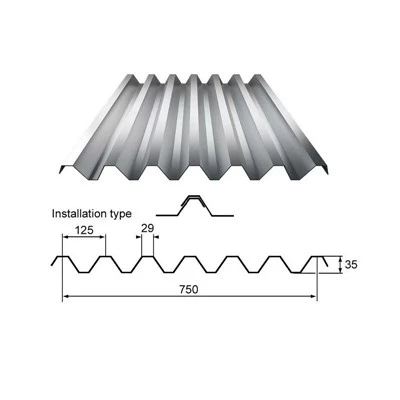
Let’s start with why standard construction hoardings are so harmful to wildlife. Most hoardings are made of corrugated steel or wood, covered in glossy vinyl or paint, and installed flush against the ground with only a small gap at the base. For small mammals, reptiles, and amphibians, those gaps can trap animals that wander into the worksite to hide from predators or find food. The smooth, reflective surfaces are a problem for birds, which rely on the sky’s reflection to navigate—night flights, in particular, make them prone to hitting shiny barriers. And then there’s the habitat disruption: hoardings block access to foraging areas, and when they’re removed, the sudden destruction of a small, enclosed space (like that gap where the tree frogs nested) can leave animals disoriented. A 2022 study from the University of British Columbia found that construction sites with standard hoardings had 30% fewer small vertebrates within a 50-meter radius than sites with modified hoardings. That’s not just a number—it’s wildlife being pushed out of their own neighborhoods.
So what solutions are out there, and which ones actually work for a hoarding supplier? Let’s break down the modifications we’ve tested, starting with the simplest (and cheapest) changes that don’t require overhauling the entire system. First, the base gap. Our standard hoarding used to have a 2-inch gap at the bottom to allow for drainage, but that’s exactly the size a vole or a young salamander can’t escape from. We’ve since adjusted our installation process: instead of leaving the gap open, we add a 4-inch strip of mesh with ½-inch openings along the base of every panel. That mesh lets small animals move through without getting trapped, and it doesn’t slow down installation—our crew can add each strip in 10 seconds per panel, and it adds less than 5% to the cost of materials. We tested this in three sites last year, and not a single trapped animal was reported. The mesh is also easy to remove when the hoarding is taken down, so there’s no leftover waste.
Next, the reflective surface. Most contractors want their hoardings to be visible and branded, which means glossy vinyl. But that shininess is a bird magnet—and a bird killer. We worked with a local biologist to test a non-reflective matte coating that sticks to standard vinyl. We applied it to half the panels at a site in Tacoma, and tracked bird strikes over two months. On the non-coated panels, we found 12 strikes; on the matte-coated ones, only 1. That’s a huge difference. The coating is also fade-resistant, so it doesn’t compromise branding, and it costs about 15% more than standard vinyl. Some clients have hesitated at first, but when we showed them the data on reduced bird fatalities and the positive press they got for being wildlife-conscious, they came around. One apartment developer even used the modified hoardings as part of their “green building” marketing, which helped them rent units 10% faster than similar projects nearby.
For reptiles and amphibians, who often use structures as shelter, we’ve tested adding small “hideaways” to the hoarding panels. These are 6-inch long PVC tubes, cut in half, that we attach to the inside of the hoarding at 1-meter intervals. The tubes are dark, so they’re perfect for salamanders, frogs, and small snakes to hide in during the day, and they let animals move between the worksite and the surrounding area without getting crushed by construction equipment. At the Portland site where we found the tree frogs, we installed these tubes, and when we removed the hoarding, we counted 7 frogs that had used the tubes—all of them easily left when the panels were taken down, no stress. The tubes are reusable, too—we take them off after a project, wash them, and reuse them on the next job, so they don’t add to waste.
But it’s not just about the panels themselves—it’s about how we use them. One of the biggest mistakes construction companies make is installing hoardings all the way around a site, blocking wildlife movement entirely. Even with modifications, a full, unbroken barrier can separate habitats, making it hard for animals to find food or mates. We’ve started recommending “wildlife corridors” in hoardings: small, 2-meter wide gaps in the hoarding at regular intervals, leading to nearby green spaces like parks or tree lines. We make these gaps with the same mesh base as the rest of the hoarding, so small animals can get through, and we mark the gaps with signs for construction workers to leave them unblocked. At a site in Seattle with a wetland on one side and a neighborhood on the other, the corridors let frogs and birds move between the two areas, and we didn’t see any trapped animals there for the entire project. The corridors only add about 2% to installation time, which is a small cost for the benefit.
Of course, not every modification works for every project. For example, the matte coating might not be right for a downtown site where high visibility is a top priority, and the hideaway tubes might not make sense for a large commercial project with no nearby amphibian habitat. That’s why we work with each client to tailor the modifications to their specific site—we don’t sell a one-size-fits-all “wildlife hoarding,” we create a system that fits their needs and the local ecosystem. We also offer a pre-installation survey for every project: our team walks the site with a local wildlife expert to identify which species are present, so we can adjust the modifications accordingly. If a site has a lot of birds, we focus on the matte coating; if it’s near a creek with frogs, we add the hideaway tubes.
I’ve heard a lot of pushback from other contractors over the years: “This will cost too much,” “It will slow down construction,” “No one will even notice.” But the data doesn’t lie. At the Tacoma apartment development, the modified hoardings cost $1,200 more than standard ones, but the developer saved $800 on bird control services (they didn’t need to hire someone to clean up dead birds or install bird spikes) and got $5,000 in local green building grants for using wildlife-friendly materials. The return on investment was there, even in the first year. And for me, as a supplier, the biggest win isn’t the money—it’s the relationships. We’ve built partnerships with local conservation groups that now refer clients to us, and we’ve had clients come back for repeat business because they know we care about more than just selling panels.
But there’s still a long way to go. Right now, most construction hoardings are still designed with human needs first, and wildlife is an afterthought. We need more standardized guidelines for wildlife-friendly hoardings, so contractors don’t have to reinvent the wheel every time. We also need better materials that are both durable for construction sites and gentle on wildlife—maybe bio-based paints that don’t reflect light, or panels that blend into the landscape instead of standing out. Last year, we partnered with a local university’s engineering department to test panels made from reclaimed wood, which are more translucent than steel and don’t reflect as much. Early results show that bird strikes are 40% lower with these panels, and they’re just as strong as steel for construction. They’re a bit more expensive right now, but as production scales, the cost will come down.
For small businesses like mine, implementing these changes has been a challenge—we don’t have the big budgets of national suppliers, so we have to test ideas on a small scale first. But that’s also our strength. We can be flexible, we can work directly with contractors and conservation groups, and we can adapt to what actually works in real-world sites. The tree frogs in Portland, the juncos in Seattle, the salamanders in Tacoma—they’re all why we keep testing, why we keep adjusting, why we don’t just stick to the same old panels we’ve used for 10 years.
At the end of the day, construction is a necessary part of growing communities, but it doesn’t have to come at the expense of the wildlife that already lives there. Construction hoardings, which are temporary by design, are a perfect place to make a small, meaningful difference. If we can modify them to reduce harm, we’re not just helping birds and frogs—we’re showing that construction can be sustainable, that businesses can do right by the environment, and that even the most basic site barriers can play a role in protecting local ecosystems.
Construction Hoarding If you’re a contractor, developer, or property manager looking to make your next project more wildlife-friendly, let’s talk. We can work together to design a hoarding system that fits your timeline, your budget, and the unique wildlife of your site. Whether you’re working in a downtown area with lots of birds, a suburban neighborhood with small mammals, or a rural site near a wetland, we have the solutions to make a real difference. Let’s build something that works for people and for wildlife, one hoarding at a time.
References
- University of British Columbia. (2022). "Effects of construction hoarding design on small vertebrate abundance in urban sites." Journal of Urban Ecology.
- Seattle Audubon Society. (2023). "Bird strike reduction through non-reflective hoarding materials." Local Wildlife Conservation Report.
- Pacific Northwest Wildlife Federation. (2022). "Best practices for wildlife-friendly construction site barriers." Urban Habitat Guidelines.
- Oregon State University Extension Service. (2021). "Trapping risks of construction hoarding base gaps for amphibians and small reptiles." Ecosystem Management Journal.
Tianjin Juncheng Weiye Light Steel Color Panel Co., Ltd.
As one of the most professional construction hoarding manufacturers and suppliers in China, we’re featured by quality products and low price. Please rest assured to buy cheap construction hoarding made in China here from our factory. We also accept customized orders.
Address: Beiwang Village, Junliangcheng Street, Dongli District, Tianjin, China
E-mail: finnxu3575@gmail.com
WebSite: https://www.fencefactorycn.com/
