If you’ve ever wandered a jewelry trade show or scrolled through a maker’s Instagram, you’ve probably seen pieces that look too detailed to come from anything other than a master goldsmith with a steady hand and a tiny file. Maybe you’ve also thought: “Wait, can that fancy engraving and milling machine I sell actually handle this kind of delicate work?” Spoiler: Short answer is YES, and it’s one of the most underrated tools for both hobbyist jewelry makers and big brands looking to scale without losing that handcrafted feel. I’ve been supplying these machines for over 8 years, and I’ve seen everything from a teen making engagement rings in their garage to a 100-person brand cranking out 500 custom pendants a week. So let’s break this down like I would over a coffee, no boring textbook jargon, just real-world stuff that actually matters. Engraving and Milling Machine

First, let’s get one thing straight: A lot of people group engraving and milling machines together, but for jewelry, they work as a team, not separate tools. Engraving is that fine, detailed stuff—like the tiny script inside a wedding band, or the delicate filigree patterns on a necklace pendant. Milling is for the bigger, structural bits: shaping the band of a ring, carving out the space for a gemstone, or even cutting a full 3D design from a block of metal. Back in the day, goldsmiths did all this by hand, and while that’s still incredible, it’s slow. If you need 10 identical rings, a hand engraver would take hours per piece, leading to consistency issues, and prices that are way out of reach for most people. Milling machines for jewelry cut that time down by 70% or more, and the results are way more precise than even the best hand work—no shaky lines, no uneven edges, no accidentally deepening a engraving line because your hand slipped.
Let’s talk materials, because that’s where a lot of new buyers get tripped up. Jewelry is made of super specific stuff—gold (10k, 14k, 18k), silver, platinum, even titanium for those edgier pieces. A lot of generic engraving and milling machines you see at hardware stores can’t handle these metals, or they’ll dull the bits in 5 minutes. The good ones (the ones I supply) use high-speed spindles—like 20,000 RPM or more—and carbide or diamond-tipped tools that are built to cut through hard, dense metals without wearing out. I had a customer a few months back making platinum men’s bands, and he was using his old hobby machine that cost half as much. He burned through 4 diamond bits in a single day, and the bands had tiny surface scratches he had to buff out by hand. Switched to one of our industrial-grade models, and he now goes 2 weeks before he needs to change a bit. Even softer materials like copper or brass (super popular for boho jewelry) are a breeze—you can engrave fine linework that’s thinner than a human hair without tearing the metal.
Now, the big question: Can you get that “handmade” look? I get this all the time—people think machines make everything look perfect and generic, like mass-produced fast fashion. Nope, that’s a myth. The machine cuts the design, but the human touches come in where it matters. For example, if you’re making an engagement ring, the machine can cut the precise shape of the setting and engrave the proposal date inside the band perfectly, but you still have to hand-polish the edges, set the gemstone, and maybe soften the sharp corners a little to make it feel comfortable to wear. I’ve seen designers add tiny, intentional variations—like a slightly thicker line on one side of an engraving, or a subtle texture on the edge of a pendant—that only a human would notice, but it makes the piece feel one-of-a-kind. The machine just takes care of the repetitive, tedious parts that used to keep goldsmiths up late—no more staying until 2am engraving 50 bands when you could be designing new pieces or talking to customers.
Another huge win: custom work. That’s where jewelry making really shines, right? People want rings with their kids’ names, pendants shaped like their dog, necklaces with coordinates of their first date. Hand engraving that kind of custom design on 10 different pieces is impossible—you’d never get them all to look the same. But with a CNC engraving and milling machine (wait, yeah, most of these are CNC now—computer numerical control, so you just upload the design file and go), you can make 100 identical custom pieces in a single run, or adjust the design in 5 minutes to make each one unique. I had a wedding planner client last year who was doing 20 destination weddings, each with 50 custom wedding bands engraved with the couple’s initials and wedding date. He tried hand engraving first, and he had 12 bands that had uneven lines and looked sloppy. Switched to one of our machines, and he finished all 1,000 engravings in 3 days, no mistakes, and the couples loved how crisp they looked.
Wait, but what about beginners? I know a lot of hobbyists out there who want to make jewelry as a side hustle or just for fun, and they think these machines are too complicated. Yeah, if you buy a random machine off Amazon, you’ll probably have a hard time. But the good engraving and milling machines for jewelry come with pre-built software that’s made for this stuff—no need to learn complex CAD (computer-aided design) from scratch. You can upload a simple design from Canva, or use one of the free jewelry design templates we include, and adjust the size on the screen. We also offer 24/7 tech support, so if you get stuck on a setting, you can call or text someone immediately, not wait 3 days for a reply. I had a customer who was a nurse with no prior machining experience, and she started selling custom earrings on Etsy 3 months after buying her machine. Now she makes $2,000 a month on the side, all from her garage. That’s the power of these tools—they’re not just for big companies, they’re for regular people too.
Now, let’s get real about the limits, because I don’t want to sell you something that doesn’t fit your needs. These machines are great for small to medium-sized pieces—rings, pendants, bracelets, earrings. They’re not the best for large-scale jewelry like necklaces that are longer than 18 inches, or bulky cufflinks that need extra heavy milling. Also, if you want to do super rough, organic designs (like that “forge” look where the metal has uneven edges), a machine might not give you that—you’d still want a hammer and anvil for that. But for 90% of the jewelry being made today, from minimalist silver hoops to detailed engraved wedding bands, they’re perfect. Another thing: You still need a basic knowledge of jewelry making—you can’t just load a design and have a finished ring pop out. You have to know how to solder, how to polish, how to set gemstones. The machine is a tool, not a magic wand—it takes the hard parts out of the engraving and shaping, but you still need that core skill.
I’ve also seen a lot of people worry about cost. Yeah, a good engraving and milling machine is an investment—way more than a cheap hand engraver. But let’s do the math: A hand engraver charges about $75 an hour for custom work. If your machine can do 100 engravings in an hour, that’s $7,500 worth of work you’re doing yourself for the cost of a machine. Most small jewelry makers pay off their machine in 6 months to a year, depending on how much they use it. And for brands, it’s even better—they can offer custom pieces at a lower price than competitors who use only hand labor, which means more sales and higher profits.
Let me give you a quick example of a real project I worked on with a customer. Last year, a custom jewelry maker named Sarah came to me—she had been making pieces by hand for 5 years, and her business was growing so fast she was falling behind on orders. She wanted to offer engraved birthstone pendants, but she couldn’t keep up with the demand. We set her up with a mid-range engraving and milling machine, and spent a day training her on how to use it. Now, she can cut the shape of the pendant, engrave the birthstone month, and even drill the hole for the chain in 10 minutes per piece. Before, it took her 2 hours per pendant, and she had a backlog of 30 orders. Now she finishes all orders in a week, and has time to take on new custom design work that she couldn’t do before. She also told me that her customers can tell the difference—the pendants have cleaner lines, and she’s had fewer complaints about uneven engraving. That’s the kind of impact these machines have.
Wait, one more thing: versatility. Engraving and milling machines don’t just do metal. You can use them for wood, resin, even acrylic for test pieces. I had a hobbyist customer who makes wooden jewelry displays, and he uses the same machine to engrave his logo on the base of each display. That’s extra value—you don’t need a separate tool for branding or display pieces. A lot of brands love that because it streamlines their entire process, from design to finished product, all in one machine.
Now, I know some of you are still thinking: “But I make jewelry because it’s hands-on. Am I going to lose that?” No way. The machine does the parts that are repetitive and prone to error, so you can focus on the creative stuff. I’d rather spend my time designing a new collection or talking to a customer about their custom wedding ring than spending 8 hours engraving 50 identical bands. That’s where the real value is—freeing up your time to do what makes you unique, while the machine handles the rest.
At the end of the day, the jewelry industry is all about precision, consistency, and creativity. Engraving and milling machines check all three boxes. They give you the precision you need for fine engravings and perfect settings, the consistency to make pieces that look identical (or slightly unique, if you want), and the versatility to scale your business without sacrificing quality. Whether you’re a hobbyist looking to turn your side hustle into a full-time job, or a established brand wanting to expand your custom line, these machines work.
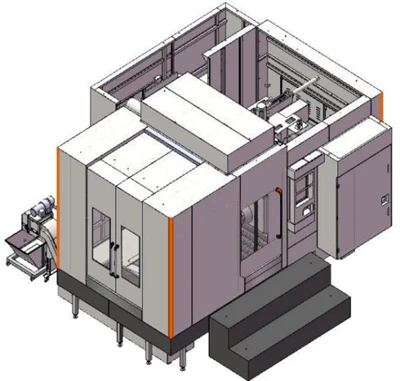
If you’re ready to stop struggling with slow hand work and inconsistent results, and start making more pieces in less time without losing that handmade feel, I’d love to chat. We can talk about your specific needs—what kind of jewelry you make, how many pieces you want to produce, your budget—and I can point you to the right machine for you. No pushy sales talk, no hidden fees, just real advice from someone who’s been in this game for years and knows what works for jewelry makers.
Engraving and Milling Machine References:
- Jewelry Manufacturing Technology: A Practical Guide for Modern Artisans, 2021
- CNC Machining for Custom Jewelry: Industry Trends and Best Practices, Jewelry Technology Magazine, 2022
- The Small Business Guide to Scaling Jewelry Making, Maker’s Press, 2023
- Material Compatibility for Precision Jewelry Machining, International Journal of Jewelry Science, 2020
Taizhou Qiyang Trading Co., Ltd.
As one of the most professional engraving and milling machine manufacturers and suppliers in China, we’re featured by quality products and good price. Please rest assured to buy bulk engraving and milling machine for sale here and get quotation from our factory. Customized orders are welcome.
Address: Zhenhai Village, Binhai Town, Wenling City, Taizhou City, Zhejiang Province
E-mail: qycncmachine@outlook.com
WebSite: https://www.qycncmachine.com/
